
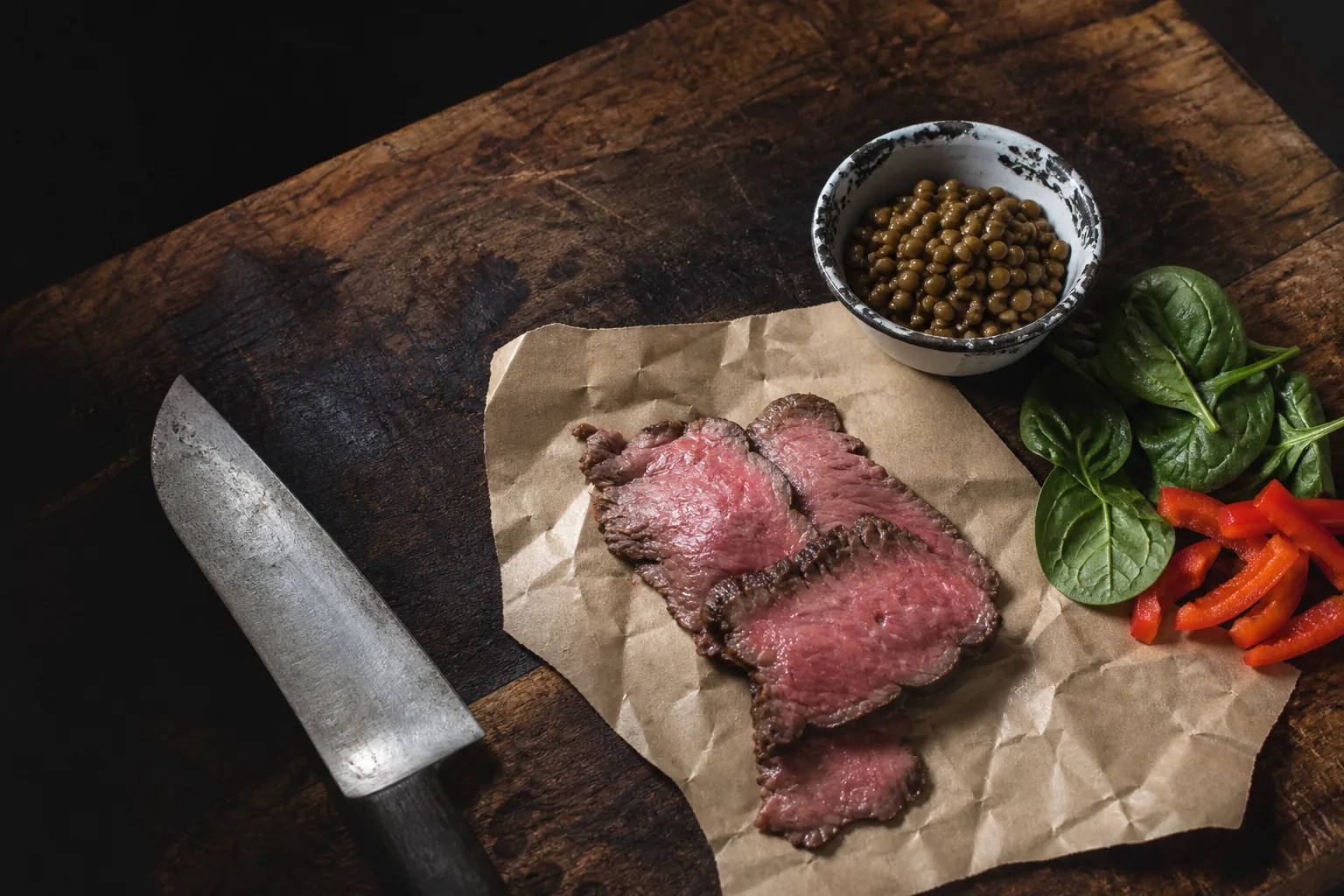
Iron Absorption After Gastric Bypass changes on the day of surgery, and the change is structural rather than dietary. Two stretches of gut that used to do most of the work are now bypassed completely. Your plate can still deliver what your body needs, but it has to be built differently, and several old habits quietly work against you at every meal.
The tiredness that shows up eight or nine months later is rarely laziness or a failure of willpower. Most of the time it is a slow drop in iron stores that nobody thought to measure. Knowing which pairings help, which block, and which symptoms deserve a blood test puts the problem back in your hands.
Key Takeaways
| Point | What it means for you |
|---|---|
| The absorption site moved | The duodenum and upper jejunum are bypassed, so far less iron crosses over |
| Stomach acid matters | A small pouch makes less acid, and acid is what unlocks plant iron |
| Pairings change everything | Vitamin C helps, while tea, coffee, calcium and bran all block |
| Symptoms creep in slowly | Fatigue, cold hands and hair thinning arrive long before you feel ill |
| Bloodwork is the referee | Ferritin and a full blood count tell you what a mirror never can |
Why Your Body Takes In Less Iron After Surgery
Two separate things happen at once, and understanding both makes the rest of this article practical rather than abstract.
The Stretch of Gut That Used To Do the Work
Almost all of your iron used to be absorbed in the duodenum and in the first stretch of the jejunum. A gastric bypass routes every meal straight past exactly that section of the small intestine. The nutrient still arrives in your system, yet it now meets a fraction of the absorptive surface that evolved to take it in.
The American Society for Metabolic and Bariatric Surgery treats this as an expected feature of the new anatomy rather than a complication of it. That is precisely why lifelong supplementation and routine bloodwork are standard advice, instead of a sign that something has gone wrong with your recovery. The same rerouting affects calcium, which is why bariatric bone health sits on the same follow-up schedule.
Acid Is the Key That Unlocks Plant Iron
Your new pouch is small, so it produces far less stomach acid than the stomach you had before surgery. Acid is what converts the iron held in plants into the chemical form your gut is able to take up. Without much of it in circulation, beans and spinach quietly deliver far less than their labels promise.
Meat iron does not depend on acid in the same way at all, which is one reason animal sources now punch well above their weight. This acid question is the hinge behind most of the bariatric vitamin deficiencies that surface in the second year, and iron is usually the first of them to appear.
Heme Iron and Non-Heme Iron Are Not the Same Thing
Heme iron comes from meat, poultry and fish, while non-heme iron comes from plants, eggs and fortified foods. Your body takes up heme iron far more readily than the plant version, and that gap widens sharply after a bypass.
None of this is an argument for abandoning plants at your table. It simply means that a plant-heavy plate now needs deliberate pairing in order to hold its ground. A few grams of meat served alongside beans also lifts the absorption of the beans themselves, an effect that nutritionists have long called the meat factor.
Building a Plate That Works
Small structural choices at each sitting matter far more than the totals printed on any nutrition label.
What Helps and What Blocks Iron Absorption After Gastric Bypass
| Food or drink | Effect | Practical move |
|---|---|---|
| Red meat, poultry, fish | Strong help | Anchor at least one meal a day around it |
| Vitamin C foods | Strong help | Pair peppers, citrus or berries with plant iron |
| Eggs | Mild source | Useful, though the yolk protein limits uptake |
| Tea and coffee | Strong block | Move them a full hour away from meals |
| Milk, yoghurt, cheese | Block | Keep dairy to a separate sitting |
| Calcium supplements | Block | Take at a different hour from your iron |
| Bran and wholegrain cereal | Block | Use in moderation, never alongside iron |
| Beans and lentils | Moderate source | Always serve with a vitamin C food beside them |
Nothing in that blocking column is forbidden to you. Careful timing solves almost all of it, because these foods interfere only when they share a sitting with your iron.
Tea, Coffee and the One-Hour Rule
The tannins in tea and coffee bind iron inside the gut before it ever gets the chance to cross over. A single cup taken with dinner can cut absorption from that meal substantially. Moving the same cup to an hour before or an hour after the plate removes most of the problem.
Many patients find this the hardest adjustment, since a hot drink alongside food is usually a habit of decades. Try shifting it gradually rather than abandoning it in one dramatic week. If caffeine also triggers discomfort in the pouch, the early stage of gastric bypass soft foods is the natural moment to rebuild the routine from scratch.
In the Kitchen
Small Cooking Habits That Protect Iron Absorption After Gastric Bypass
Cooking in a cast iron pan transfers a genuinely measurable amount of iron into the food, and acidic dishes such as tomato sauce pull across more of it than anything else. It is a free addition to the day, and it asks absolutely nothing of your pouch.
Soaking dried beans overnight before cooking lowers the phytates that bind their plant iron. Roasting red peppers into the same stew puts vitamin C exactly where those beans are sitting. Fermented foods work along broadly similar lines, softening the compounds that otherwise get in the way of absorption.
Portion size remains your hard limit now, so nutrient density beats sheer volume at every single meal. Building that habit early also keeps you well clear of gastric bypass pouch stretching symptoms, which tend to follow a slow creep in portion size. A workable gastric bypass meal plan therefore leans on small, dense plates rather than on larger and looser ones.
When Supplements Enter the Picture
Your surgical team will almost certainly prescribe an iron supplement for life, usually alongside a dedicated bariatric multivitamin. Take that tablet well away from any calcium, and well away from your morning coffee. A vitamin C tablet or a glass of orange juice at the same moment improves what you absorb.
Please do not change the dose or the form of your supplement on your own initiative. Some patients tolerate one preparation poorly and another perfectly well, and your dietitian can switch it for you. If tablets consistently upset your stomach, say so plainly at your next appointment rather than quietly skipping them for months.
Signs Worth Reporting to Your Team
Iron stores fall slowly and steadily, so the earliest signals are easy to explain away as ordinary recovery.
| Signal | Why it matters |
|---|---|
| Fatigue that rest does not fix | The most common first sign of falling stores |
| Feeling cold all the time | Low iron limits how well you hold on to body heat |
| Hair thinning past month six | Early shedding is normal, later shedding is not |
| Pale skin or brittle nails | A visible marker of low haemoglobin |
| Breathlessness on the stairs | Suggests anaemia rather than simple deconditioning |
Two of those rows deserve a note of their own. Being chilly is common throughout the first year for several unrelated reasons, which is why feeling cold after bariatric surgery deserves a blood test before you blame the weather. Hair loss around months three to six is usually the stress of rapid weight loss instead, so preventing hair loss after bariatric surgery is a genuinely separate conversation from anaemia.
The Cleveland Clinic notes that iron deficiency can develop well before anaemia itself appears on a standard blood count. Ferritin falls first, which is exactly why your team checks that figure separately instead of relying on haemoglobin alone.
Who Is Most at Risk
Menstruating women carry the highest risk, because monthly losses continue at the old rate while intake has fallen sharply. Teenagers and patients who were already running low before their operation begin from a deficit that never really closed. Anyone who skips supplements for a few months at a stretch joins that group surprisingly quickly.
Vegetarians and vegans face a harder version of the same task, since every iron source on their plate is non-heme. It remains entirely workable with careful pairing, though it calls for a dietitian rather than for guesswork. Patients who struggle with solid protein often lean on protein shakes after gastric bypass instead, and many of those products contain very little usable iron.
Blood donation deserves a mention here too. Talk it through with your surgical team before you book a session, because the loss is considerably harder to replace than it used to be.
Frequently Asked Questions
How soon should I have my iron checked?
Most programmes test at three months, six months and twelve months, and then once a year afterwards. Ask for ferritin alongside the full blood count, since the two figures answer different questions. If you feel persistently tired between those appointments, request an earlier test instead of waiting for the calendar.
Can I fix low iron through food alone?
Rarely, once your stores have genuinely fallen. Food keeps you steady, yet rebuilding a depleted store usually needs a supplement and occasionally an infusion. Treat your plate as maintenance rather than as a rescue plan.
Does spinach still count for anything?
It certainly counts, though a good deal less than its reputation suggests. Spinach carries oxalates that bind its own iron, so pair it with a vitamin C food or with meat. A handful stirred into a tomato-based sauce is a far better use of it than a plain salad.
Do blood sugar swings affect my iron?
Not directly, although they quietly change what you end up eating. Patients managing gastric bypass reactive hypoglycemia often graze on carbohydrate snacks, which crowds iron-rich meals off the plate. The same pattern appears with dumping syndrome management after gastric bypass, where fear of symptoms narrows the diet a little further every month.
Tired Is Not Your Baseline
The habits that protect Iron Absorption After Gastric Bypass are small, cheap and endlessly repeatable. Anchor one meal a day with meat or fish, pair every plant source with vitamin C, and move tea, coffee and dairy an hour away from the plate. Take the supplement your team prescribed, at an hour of its own.
Then let the bloodwork do the judging instead of your own impressions. Exhaustion that a full night of sleep does not touch is information, not a character flaw, and it is easily worth a phone call to your clinic. Iron is one of the very few post-surgical problems that responds quickly once somebody finally measures it properly.
Check out the author’s book here: Gastric Bypass Cookbook.

Leave a Reply