

Moving from liquids and purees to the soft food stage is a big milestone after weight loss surgery. At last you get to chew again, and meals begin to look and taste more like the food you remember. However, that excitement often comes with worry, because a new pouch feels sensitive and unpredictable at first. Many patients fear that a bite will get stuck, or that the wrong food will leave them nauseous for hours. Bariatric air fryer fish is one of the gentlest ways through that stage.
That is where bariatric air fryer fish can help, since it combines gentle texture with high-quality protein in very little time. Fish has shorter, softer muscle fibers than beef or chicken, so it breaks down more easily in a small stomach. Meanwhile, the air fryer adds a light golden finish without the heavy oil that a healing digestive system handles poorly. This guide covers the best fish to choose, tips for keeping fillets moist and three easy recipes for the soft food stage.
Key Takeaways
- Fish is a gentle protein: Its soft, flaky texture makes it one of the easiest proteins for a new pouch to handle.
- Moisture comes first: Dry fish sits heavily in the pouch, so thin coatings, foil packets and careful timing matter most.
- Coatings can stay low-carb: Almond flour, parmesan and crushed pork rinds give a light crust without refined breading.
- Start small and slow: Your pouch may only manage a few bites at first, so stop before you feel full.
- Pick low-mercury options: Cod, salmon, pollock and catfish are good everyday choices for regular meals.
Why Fish Suits the Soft Food Stage
Most surgeons clear patients for soft foods a few weeks after the operation, although the exact timing depends on your procedure and progress. At this stage, your protein should be tender enough to mash easily with a fork before it reaches your mouth. The Mayo Clinic guide to the gastric bypass diet lists fish among the soft, moist foods patients usually add during this phase. Unlike chicken breast, which can turn stringy, or steak, which stays dense, cooked fish separates into flakes with almost no effort.
Fish also packs a lot of nutrition into a small portion, which matters when your pouch holds only a few spoonfuls. Cod, haddock and flounder offer lean protein with very few calories, while salmon adds omega-3 fats that support heart health. Eggs are another gentle choice, and our Air Fryer Egg Bites make an easy companion to your fish dinners.
The Air Fryer Advantage
Traditional fried fish is off the table for bariatric patients, because heavy batter soaks up oil and adds plenty of refined carbs. That combination can trigger nausea or dumping syndrome, especially in the first months after surgery. The air fryer, by contrast, moves hot air around the food and crisps the surface with only a light spray of oil. You get the pleasure of a golden crust without the grease that a sensitive stomach struggles to handle.
Speed is another benefit, since most fillets cook in about ten minutes and you rarely need to plan far ahead. That matters when you eat several small meals a day and have little energy for long cooking sessions. Once you feel confident with seafood, our Bariatric Air Fryer Recipes offer quick dinners for the rest of the week. Likewise, the Best Bariatric Air Fryer Chicken Recipes show how to keep poultry tender when you are ready for it.
Choosing the Right Fish for Your Pouch
Not every fish suits the soft food stage equally well, so start with the mildest and softest options first. The table below compares common choices, and your dietitian can adjust it to fit your own recovery plan.
| Fish | Texture | Notes for the soft food stage |
|---|---|---|
| Cod, haddock, tilapia, flounder | Mild, soft and flaky | The safest starting point; very lean and easy to digest |
| Salmon | Rich, moist and tender | Higher in healthy fat, so a small portion fills you quickly |
| Catfish, pollock | Mild with firm flakes | Good for nuggets; cooks fast and takes seasoning well |
| Shrimp, scallops | Can turn rubbery | Wait until flaky fish feels comfortable, then try small pieces |
Keeping Every Fillet Tender
Overcooking is the biggest risk with bariatric air fryer fish, since dry protein can cause pain or regurgitation. A few simple habits protect the texture, and they take only a minute or two of extra preparation.
How to Keep Bariatric Air Fryer Fish Moist and Tender
First, place your fillet on a small piece of parchment paper so you can lift it out without breaking it. Next, brush a very thin layer of light mayonnaise or plain Greek yogurt over the top before cooking. This coating seals in moisture, and it also helps seasonings or a light crust stick to the surface. Finally, use an instant-read thermometer and take the fish out as soon as the thickest part reaches 145°F.
Low-Carb Coatings That Still Crunch
A standard flour, egg and breadcrumb coating adds too many refined carbs, but you can still build a pleasant crust. Keep the layer thin, because a heavy coating makes each bite drier and harder to chew thoroughly.
| Coating | What it adds |
|---|---|
| Almond flour | A nutty flavor and a soft, light crunch |
| Grated parmesan | A savory, golden crust with extra protein |
| Crushed pork rinds | A crispy finish with almost no carbs |
| Nutritional yeast | A cheesy flavor plus B vitamins, without dairy |
Three Easy Bariatric Air Fryer Fish Recipes
These recipes each use a small fillet, and most patients will eat only part of it during the soft food stage. Cut the fish into small pieces, chew each bite well and save any leftovers for the next meal.
Parmesan-Crusted Tilapia
| Ingredients | Cook |
|---|---|
| 1 tilapia fillet (4 oz), 1 tbsp light mayonnaise, 2 tbsp grated parmesan, 1/2 tsp garlic powder, dried parsley | 375°F for 8 to 10 minutes |
Pat the fish dry, mix the mayonnaise with the garlic powder and brush the mixture over the top of the fillet. Press the parmesan gently onto the coating, then air fry until the cheese turns golden and the fish flakes easily. The mayonnaise keeps the flesh moist, while the cheese adds a savory crust and a little extra protein.
Lemon-Dill Salmon Foil Packets
| Ingredients | Cook |
|---|---|
| 1 salmon fillet (4 oz), 2 lemon slices, fresh dill, 1 tsp olive oil, salt and pepper | 350°F for 10 to 12 minutes |
If dryness worries you, a foil packet is the easiest method, because the fish steams gently in its own juices. Set the salmon on a sheet of foil, drizzle it with oil and season it lightly with salt and pepper. Then top it with lemon and dill, fold the foil into a sealed packet and air fry until the fish flakes easily.
Cajun Catfish Nuggets
| Ingredients | Cook |
|---|---|
| 1 catfish fillet cut into small nuggets, 1 tbsp low-sodium Cajun seasoning, cooking spray | 400°F for 7 to 8 minutes, turning halfway |
Toss the nuggets in the seasoning, spray the basket lightly and arrange the pieces in a single layer. Spray the tops as well, then cook until the outside browns and the inside turns opaque and flaky. Small pieces cook evenly and quickly, and they also help you control each bite during a meal.
Sides, Portions and Leftovers
Protein comes first during the soft food stage, yet soft vegetables add fiber and help prevent constipation.
Serving Bariatric Air Fryer Fish With Soft Sides
Choose vegetables that you can mash with a fork, such as well-cooked broccoli, mashed cauliflower or stewed tomatoes. A spoonful of cottage cheese also pairs nicely with fish, and our High Protein Bariatric Air Fryer Breakfast Ideas show more ways to use it. On nights when you want a change from seafood, our Air Fryer Turkey Meatballs are another soft, high-protein option.
When a Small Portion Is Enough
A four-ounce fillet may be too much right now, and eating only one or two ounces is normal. Eat slowly, put your fork down between bites and stop as soon as you feel the first sign of fullness. Leftover fish dries out easily, so follow our guide to Reheating Bariatric Meals in Air Fryer to keep it moist. You can also flake cold fish into one of our High-Protein Bariatric Soup Recipes the next day.
When Something Feels Wrong
Pressure in your chest after eating usually means you ate too fast, chewed too little or had fish that was too dry. Stop eating at once, sit upright or walk gently and avoid drinking water to wash the food down. If the pain lasts, or you vomit repeatedly, call your bariatric team rather than waiting for it to pass. Next time, try a moister method, such as the foil packet, and cut the fish into smaller pieces.
Many patients also notice a sharper sense of smell after surgery, so a mild fishy odor can suddenly feel overwhelming. Buying very fresh fish helps, and a squeeze of lemon or a pinch of dill softens the smell while it cooks.
Mercury and Smart Sourcing
Fish is healthy, but some large species carry high levels of mercury and belong on the menu rarely, if at all. The FDA advice about eating fish names swordfish, shark and king mackerel among the choices to avoid. Salmon, pollock, cod, catfish and canned light tuna fall into the best-choices group for regular meals. Wild or farmed, fresh or frozen, the most important thing is steady access to good protein you enjoy eating.
Frequently Asked Questions
Can I cook frozen fish fillets in the air fryer? Yes, just add a few extra minutes. Thawing first, however, lets you pat the fish dry and season it more evenly.
Are store-bought fish sticks okay after surgery? Most are pre-fried and heavily breaded, with little protein. Homemade nuggets with a light coating are a much better choice for your pouch.
How do I know if the fish is fork-tender? Press the thickest part with a fork, and it should flake without resistance. If it feels rubbery or springs back, give it another minute and check again.
What sauces can I eat with my fish? Lemon juice or a yogurt and dill sauce work well. Many bottled tartar sauces and ketchups contain added sugar, so read labels before you buy them.
Can I reheat air-fried fish? Yes, warm it in the air fryer at about 300°F for two or three minutes. For more ideas that use leftovers well, browse our Bariatric Air Fryer Snacks collection.
Enjoying Real Food Again
Learning to cook bariatric air fryer fish gives you variety at a time when your menu can feel very limited. You can serve the same fillet to the whole family and simply add a heartier side for everyone else at the table. The soft food stage does not last forever, yet the habits you build now will support your health for years. Be patient with your pouch, try new flavors slowly and enjoy the return of meals that feel like real food.
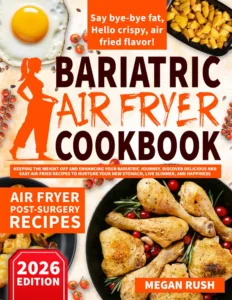
Check out the author’s book here: Bariatric Air Fryer Cookbook.

Leave a Reply