

The first weeks after bariatric surgery turn every meal into a small puzzle. The pouch holds a few spoonfuls and the appetite has vanished, yet the protein target still waits by evening. Soup solves more of that puzzle than almost any other food, because it hydrates, soothes and carries protein in a texture the new stomach accepts. These high protein bariatric soup recipes follow the textures your program allows, from a fortified broth to a bowl with tender chunks. This guide explains why soup works so well after surgery and how to build one that earns its place. It then covers prepping a week of bowls. Your surgeon and dietitian set the stages and the amounts, and the cooking stays yours.
Key Takeaways
- Soup delivers fluid and protein together in a small volume, which is exactly what a healing pouch can handle.
- Each texture stage has its own soup, and a blender often moves one base recipe to the next stage.
- Unflavored protein powder, Greek yogurt, beans and tender poultry raise the protein in any bowl.
- Non-starchy vegetables and herbs bring flavor without the carbs and fat that trouble a bariatric stomach.
- Batch cooking and freezing in small portions make the plan survivable on tired days.
Why Soup Works So Well After Surgery
A bariatric pouch changes three things at once: how much fits, how fast it empties and how the body absorbs food, and soup answers all three. Mayo Clinic’s guidance on the gastric bypass diet describes the same sequence of textures, from clear liquids to soft foods, and soup fits every step of it.
Hydration is the second reason. Most patients struggle to drink enough, because the pouch holds so little at once and fluids have to stay apart from meals. A cup of broth counts toward the daily fluid goal while it delivers protein. The third reason is efficiency. A small bowl can carry lean poultry, pureed beans or a scoop of protein powder, so every spoonful works toward the target your dietitian set. Muscle depends on that protein while the weight comes off quickly, and MedlinePlus explains why in its overview of protein in the diet.
Building a Bariatric Soup That Earns Its Place
Four principles decide whether a soup helps or just fills the bowl.
- Protein comes first. Start every soup from poultry, fish, beans, lentils or an unflavored protein supplement.
- Texture follows the stage. Thin and strained, then spoon-thick and lump-free, then fork-tender chunks, and only your team moves you forward.
- Vegetables stay non-starchy. Broccoli, cauliflower, carrots, spinach and zucchini fill the pot, while potatoes, corn and peas stay out.
- Flavor comes from herbs, not fat. Broth, spices, citrus and fresh herbs build depth, and plain Greek yogurt gives creaminess.
The pureed and soft stages have their own collections in bariatric pureed food stage recipes and gastric bypass soft foods. The soups below fit alongside them, and the table shows the boosters they rely on.
| Protein booster | Best stage | What it adds to the bowl | Watch out for |
|---|---|---|---|
| Unflavored protein powder | Liquid and pureed | Protein with no change in taste | Never boil it, because heat makes it clump and turn grainy |
| Plain non-fat Greek yogurt | Pureed and later | Creaminess and a little tang | Stir it in off the heat, or it splits |
| Pureed beans or lentils | Pureed and later | Plant protein plus fiber, thick body | Blend until silky, since skins can irritate early on |
| Ground turkey or shredded chicken | Soft and later | Tender chunks and real chewing practice | Keep pieces small and very moist |
| Silken tofu | Pureed and later | Smooth texture, mild flavor | Buy silken, not firm, for blending |
High Protein Bariatric Soup Recipes for the Liquid Stage
In the first days the focus is healing, so soups stay thin, smooth and strained. Your team decides how long this stage lasts, and these high protein bariatric soup recipes start at that thin end. The gastric sleeve liquid diet recipes collection has more ideas for the same texture.
Fortified Savory Chicken Broth
This is more than broth, because it is the first step toward protein-rich food, and it tastes like something a cook made.
- Ingredients:
- 1 cup high-quality, low-sodium chicken broth
- 1 scoop unflavored bariatric protein powder
- Instructions:
- Gently heat the chicken broth in a saucepan until it is warm but not boiling.
- Remove the pan from the heat and whisk in the protein powder until it dissolves completely without lumps. A small blender bottle or an immersion blender on low helps reach a smooth consistency.
- Sip slowly from a small cup, and stop when your team’s portion is done.
Protein powder added to boiling liquid clumps and tastes chalky, while powder whisked into warm broth disappears. If the broth cools too much while you whisk, warm it again gently.
Soups for the Pureed Stage
Once your surgeon clears thicker textures, the blender becomes the most useful tool in the kitchen. Everything must be as smooth as a thick baby food, and nothing should need chewing.
Creamy Roasted Red Pepper and Tomato Soup
Vibrant in color and flavor, this bowl feels like a real lunch even though it pours from a blender.
- Ingredients:
- 1 cup roasted red peppers (from a jar, drained)
- 1 cup canned diced tomatoes, no salt added
- 1/2 cup low-sodium vegetable broth
- 1/2 cup plain, non-fat Greek yogurt
- 1 scoop unflavored protein powder
- Pinch of dried basil
- Instructions:
- Combine the roasted red peppers, tomatoes and vegetable broth in a blender.
- Blend on high until the mixture is completely smooth, with no flecks of skin left.
- Transfer the soup to a saucepan and warm it gently over medium-low heat.
- Once warm, remove the pan from the heat. Stir in the Greek yogurt, protein powder and basil until they disappear, and do not boil the soup again.
The acidity of tomato can bother a fresh pouch for some people. If it does, swap half the tomatoes for an extra half cup of roasted peppers, which are sweeter and gentler.
Simple Black Bean and Cumin Puree
A plant-based bowl that fills you up, this puree brings fiber and protein together in one food.
- Ingredients:
- 1 can (15 oz) black beans, rinsed and drained
- 1.5 cups low-sodium chicken or vegetable broth
- 1/2 teaspoon ground cumin
- 1 scoop unflavored protein powder
- Instructions:
- In a blender, combine the black beans, broth and cumin.
- Blend until the puree is perfectly smooth and creamy, then pass it through a fine sieve if any skins remain.
- Pour the puree into a saucepan and heat it until warm.
- Remove the pan from the heat, whisk in the protein powder and serve in a small bowl.
Rinsing the beans well matters more than it seems, because the canning liquid carries salt and the starch that causes gas. For more meat-free bowls at every stage, the high-protein vegetarian bariatric recipes collection builds on the same idea.
Soups for the Soft Food Stage
Soft-cooked ingredients and small, tender chunks return, and every piece should mash easily under a fork.
Hearty Turkey and Vegetable Soup
A complete meal in a bowl, this soup gives the pouch its first practice with texture.
- Ingredients:
- 4 oz cooked, tender ground turkey
- 1/2 cup soft-cooked carrots, diced small
- 1/2 cup soft-cooked zucchini, diced small
- 2 cups low-sodium chicken broth
- 1/4 teaspoon dried thyme
- Instructions:
- In a small pot, bring the chicken broth to a gentle simmer.
- Add the cooked ground turkey, carrots, zucchini and thyme.
- Simmer gently for 10-15 minutes, until the vegetables mash with no effort.
- Serve warm in a small bowl and stop at the first sign of fullness.
Ground turkey dries out fast, so cook it only until it loses its pink color. The broth finishes it and keeps it moist, which is the difference between a chunk the pouch accepts and one it rejects. The hearty lentil soup makes a good second bowl once your team allows lentils with a little texture.
Soups for Life After the Stages
When your team clears regular textures, soup stays on the menu for good. The bowls then fit the pattern described in the gastric bypass meal plan.
Lemon Chicken and Orzo Soup
A classic, adjusted so that protein leads and the pasta plays a small supporting role.
- Ingredients:
- 4 oz tender, cooked, shredded chicken breast
- 2 tablespoons cooked orzo pasta (or other tiny pasta)
- 1/2 cup cooked, diced carrots
- 2 cups low-sodium chicken broth
- Juice of 1/2 lemon
- 1 tablespoon fresh chopped dill
- Instructions:
- In a pot, combine the chicken broth, shredded chicken, cooked orzo and carrots.
- Heat the soup through until it reaches a gentle simmer.
- Remove the pot from the heat and stir in the fresh lemon juice and dill just before serving.
Two tablespoons of orzo is a deliberate amount, not a typo. Pasta swells in broth and fills the pouch quickly, so the small measure leaves room for the chicken. Leftover rotisserie chicken or the shredded chicken from the best bariatric air fryer chicken recipes makes this a ten-minute dinner.
Meal Prepping the Soups for the Week
Fatigue is real after surgery, and a freezer full of small portions is the difference between following the plan and abandoning it. Soup freezes better than almost any other bariatric food.
- Make a large batch of one or two soups on the weekend, and keep the protein powder and yogurt out.
- Portion the soup into silicone muffin tins or small freezer-safe containers that match your serving.
- Label each portion with the soup and the stage, then freeze it flat.
- Thaw a portion overnight, reheat it gently and stir in the powder or yogurt off the heat.
The American Society for Metabolic and Bariatric Surgery notes in its guide to life after bariatric surgery that new eating habits and follow-up care continue for life. A prep routine is one of the habits that lasts. The same freezer method works for the whole week of dinners in 30 minute bariatric meals.
Common Mistakes With High Protein Bariatric Soup Recipes
Boiling the protein powder is the first mistake, because it turns a silky soup into a grainy one. Drinking soup with a solid meal is the second, because fluids and food stay apart after surgery and a soup is either the meal or the drink. Reaching for cream, cheese and butter to fix a thin flavor is the third. A squeeze of lemon, a pinch of smoked paprika or a handful of fresh herbs does the same job. Fat, by contrast, can trigger dumping after a bypass.
Portion size slips too, because soup feels light. A bariatric serving is small even when the bowl is liquid, and the stop signal arrives quietly. Serve in a small cup, eat slowly and leave the pot on the stove. Many of the same pitfalls appear in diverticulitis meal prep, where soups also carry a healing gut through a delicate period.
Frequently Asked Questions
Can I add protein powder to any soup?
Yes, as long as the soup is warm rather than boiling. Unflavored whey or plant protein disappears into savory soups, while flavored powders rarely do.
How do I know when to move to the next texture?
Your surgeon and dietitian decide, based on your procedure and your healing. The recipes here are sorted by texture, so you can pick the right one once your team gives the word.
Can I freeze soups with Greek yogurt in them?
Freeze the base without the yogurt and stir it in after reheating. Frozen yogurt splits and turns grainy, and the same applies to protein powder.
Are canned soups a good shortcut?
Most are high in sodium and low in protein, and many contain potatoes, corn or cream. A homemade batch from the freezer reheats just as fast and carries far more of what your body needs.
Soup Season Lasts All Year After Surgery
Soup meets the new stomach exactly where it is: small, sensitive and in need of protein and fluid together. Match the texture to the stage your team has set, and build every bowl on a protein source. Keep the freezer stocked with small portions, because tired evenings will come. The rules stay intact, and the food still tastes like something you chose to eat.
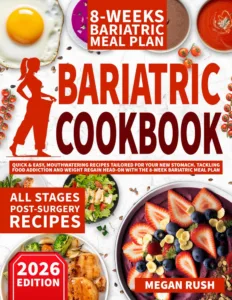
Check out the author’s book here: Bariatric Cookbook.

Leave a Reply