

After weight loss surgery your stomach holds a fraction of what it used to, so every bite occupies expensive real estate. Empty calories and fillers no longer fit, because the space simply is not there for them. A Clean Eating Grocery List solves that problem before you ever reach the kitchen, since what you carry home decides what you eat all week.
Clean eating here means whole, minimally processed foods that deliver the most protein and vitamins per ounce. It never means perfection, and it never means a shelf of expensive specialty products. Your surgeon and dietitian set your stages, your portions and your supplement plan, although the cart itself belongs to you.
Key Takeaways
- Protein leads: roughly half the cart should be lean protein in some form.
- Texture matters: whole foods need chewing, which triggers the fullness signals that slider foods skip.
- Perimeter first: the outer ring of the store holds most of what you actually need.
- Read the back: front-of-package claims exist to sell you something, while the ingredient list on the back tells the plain truth.
- Stock the freezer: frozen produce and shrimp rescue the nights when cooking from scratch feels completely impossible.
Why a Clean Eating Grocery List Protects Your Pouch
Processed foods arrive engineered to be soft, therefore they slide past the restriction your surgery created. Crackers, chips and sweets pass through the pouch without ever triggering fullness, which is exactly why people call them slider foods. A piece of grilled chicken or a crisp apple demands chewing, and that effort produces the soft stop signal that tells you to put the fork down.
Whole foods also steady blood sugar, because minimizing processed sugar reduces both dumping syndrome and the reactive low that follows it. The American Society for Metabolic and Bariatric Surgery explains how the rearranged digestive tract changes the way food behaves after surgery. Nutrient density does the third job, since a smaller stomach absorbs less iron, B12 and calcium than it used to.
Stocking the right kitchen makes the healthy meal the easy meal. When the fridge already holds cooked chicken and the freezer holds a bag of shrimp, dinner takes about twelve minutes. When it holds nothing at all, the drive-through wins by default before you have even taken your coat off.
Working the Perimeter of the Store
Most supermarkets place whole foods around the outside and the processed aisles through the middle. Your trip should lean on that outer ring, so start there while your energy and patience stay fresh.
The Clean Eating Grocery List in the Produce Section
Vegetables earn their place, although post-op digestion stays sensitive to tough skins and seeds for a while.
- Leafy greens: spinach and butter lettuce sit softer than kale, and both wilt into soups beautifully.
- Cruciferous vegetables: cauliflower and broccoli are staples, yet cook them until very tender early on to avoid gas.
- Low-glycemic fruits: strawberries and blueberries carry antioxidants and less sugar than mango or pineapple.
- Avocados: high in healthy fats and fiber, they bring a creamy texture that replaces mayonnaise entirely.
- Zucchini: spiralize it into noodles, or chop it into a scramble when the morning feels rushed.
Raw vegetables deserve caution in the first six months, because cooked versions usually sit far better. Roast a whole tray on Sunday afternoon and you have tender vegetables ready for the next four dinners.
The Butcher and Seafood Counter
This counter carries the most weight of anything on the list, since protein comes first at every meal.
- White fish: cod, tilapia and halibut flake softly and pack protein with very little fat.
- Salmon: rich in omega-3 fats, and forgiving in the oven at a low temperature.
- Poultry: boneless skinless chicken thighs stay moister than breasts, which dry out and get stuck.
- Lean ground meats: turkey at 93% lean or beef at 90% lean digest more easily than whole steaks.
- Eggs: the cheapest complete protein in the store, and the fastest to cook.
Buy in the quantity you will actually cook within three days, otherwise good protein turns into guilt in the back of the fridge. Our guide to 30 minute bariatric meals turns these cuts into weeknight dinners.
The Dairy Aisle
Dairy supplies calcium and protein, although lactose intolerance develops for plenty of people after surgery.
- Greek yogurt: plain, non-fat or low-fat, with double the protein of regular yogurt and less lactose.
- Cottage cheese: high in casein protein, which digests slowly and holds you between meals.
- Cheese: sharp cheddar, mozzarella or feta, since hard cheeses naturally carry less lactose.
- Unsweetened almond or soy milk: ideal for shakes, while oat milk suits you less if carbs bother you.
The Inner Aisles Still Matter
Avoiding processed food does not mean avoiding the middle of the store entirely, because the dry goods live there. You simply shop those aisles as a label detective rather than a browser.
Whole Grains and Legumes
Quinoa counts as a complete protein and adds welcome texture to a salad. Lentils cook quickly and land softer than beans, which makes them friendlier early on. Canned black beans and chickpeas work well once you rinse them thoroughly to cut the sodium. Choose steel-cut or rolled oats, and leave the instant packets with their added sugar on the shelf.
Nuts, Seeds and Nut Butters
Walnuts and almonds belong in the cart raw or dry-roasted, yet chew them to a paste before swallowing. Chia and flax seeds add fiber to yogurt or a shake without changing the flavor much. For nut butter the rule stays simple, because the only ingredients should be nuts and salt. Palm oil and sugar have no business in a jar of peanut butter.
Canned Goods Worth Keeping
Water-packed tuna and salmon pouches turn a bare fridge into lunch in two minutes. Diced tomatoes with no salt added form the base of half the sauces you will make. Bone broth brings collagen and protein, and it sips well on days when food feels like too much. Our high-protein bariatric soup recipes build on that broth for every stage.
Condiments That Carry Flavor, Not Sugar
Bariatric food never has to taste bland, although sauces hide sugar more often than anything else in the store. Dijon or spicy brown mustard, apple cider vinegar, balsamic and rice vinegar all cost you nothing nutritionally. Most hot sauces carry zero calories and no sugar at all. Turmeric, cumin, garlic powder and everything bagel seasoning do the rest of the work, and our bariatric sauce solutions guide goes further. Skip ketchup and barbecue sauce unless the label says sugar-free.
Clean Eating Grocery List: Fresh, Frozen or Canned
| Food | Best form | Why | Watch out for |
|---|---|---|---|
| Broccoli, green beans | Frozen | Flash-frozen at peak nutrients, no chopping | Cook until tender early post-op |
| Berries | Fresh or frozen | Low sugar, high antioxidants | Portion size in smoothies |
| Shrimp | Frozen | Thaws in minutes for a fast dinner | Pre-breaded versions |
| Tuna, salmon | Canned or pouch | Instant high-protein lunch | Oil-packed, added salt |
| Chicken thighs | Fresh | Stays moist, tolerates reheating | Buy only what you cook in three days |
| Beans, chickpeas | Canned | Cheap protein and fiber | Rinse well for sodium |
Read the table as a default rather than a rule, since your tolerance shifts as you heal. Keep a short note of what sat well and the pattern becomes obvious within a month.
What to Cross Off the Clean Eating Grocery List
Making room for good food means removing the rest, so these leave the cart for good:
- Sugary drinks: soda, fruit juice and sweet tea deliver calories that never register as food.
- Processed meats: hot dogs, bologna and sugary bacon bring salt and filler instead of protein.
- Refined grains: white bread, crackers and chips are the classic slider foods.
- Diet snack packs: 100-calorie boxes are usually cookies, and low-fat items swap fat for sugar.
- High-sugar cereals: even granola marketed as healthy can carry 15 grams of sugar per serving.
Shopping Strategies That Hold Up
Read the Ingredient List, Not the Claims
High protein and all natural are marketing phrases, therefore they tell you nothing reliable. Flip the package over instead, because the ingredient list cannot lie the same way. A whole paragraph of unpronounceable ingredients means the package goes straight back onto the shelf where you found it. The Academy of Nutrition and Dietetics offers plain guidance on reading labels properly.
Never Shop Hungry
This advice sounds obvious, yet it matters more after surgery than before. Hunger pulls you toward carbs and head hunger does the rest, so eat a cheese stick before leaving home. Ten minutes of preparation at the kitchen counter saves you a cart full of regret at the register.
Buy in Bulk Selectively
Shelf-stable items like quinoa and nuts cost less in quantity, which helps the weekly budget. Trigger foods follow the opposite rule, however, because anything in the house eventually gets eaten. Buy your bulk staples in quantity, therefore, and keep everything else to single portions you finish the same week.
A Day of Eating From This List
Here is how the cart translates into a day at roughly one year post-op:
- Breakfast: one scrambled egg with spinach and 1 oz feta cheese.
- Snack: half a cup of Greek yogurt with a sprinkle of chia seeds.
- Lunch: 3 oz grilled chicken thigh over cucumber and tomato with olive oil.
- Snack: 1 oz almonds, or a hard-boiled egg when you want something softer.
- Dinner: 3 oz baked cod with a quarter cup of roasted cauliflower.
Those portions belong to one person at one stage, so your dietitian sets the amounts that fit you. Rotating the same cart through different flavors keeps this from getting dull, and our notes on bariatric menu rotations show how. Batch cooking on a Sunday afternoon makes the whole week easier still, and our bariatric freezer meals guide covers the storage side of it.
Frequently Asked Questions About Your Clean Eating Grocery List
Is clean eating more expensive? It costs more per item, although it balances out because your portions shrank dramatically after surgery. Processed snacks also cost a surprising amount per ounce compared with eggs, beans and seasonal produce.
Can I use protein bars? Whole foods serve you better, yet life happens and a bar beats skipping protein. Look for a short ingredient list, under 5 grams of sugar and at least 15 grams of protein. For everyday options, our high-protein bariatric snacks list covers the alternatives.
Do I need to buy organic? Not strictly, although thin-skinned fruit like berries and apples makes the best use of an organic budget. Thick-skinned produce such as avocados and bananas works fine conventional.
What about artificial sweeteners? Some people tolerate them easily, while others find they trigger cravings for something sweeter. Stevia and monk fruit read as cleaner options than aspartame or sucralose, and your own reaction decides the rest.
Can food alone cover my vitamins? No, because malabsorption after surgery makes supplements necessary regardless of how well you shop. Food handles your protein and energy, while your care team handles the micronutrient plan.
Fill the Cart, Then Relax
Stock protein first, build the perimeter around it and treat the inner aisles as a short, deliberate stop. Read the back of every package, shop after a snack rather than before one, and let the freezer carry you through the hard nights. Holidays get easier too once the basics are automatic, and our bariatric holiday recipes handle the rest of the table.
You had surgery to give yourself a fresh start, so the cart deserves the same fresh thinking. Write the list tonight, shop it once on a full stomach, and notice how much simpler the whole week feels afterward.
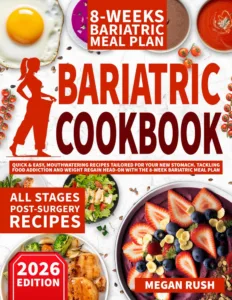
Check out the author’s book here: Bariatric Cookbook.

Leave a Reply