

The second line on the test appears, and two feelings arrive at once inside the same body. Joy comes first, and right behind it sits the fear of watching a scale climb on purpose for the first time in years. Pregnancy After Bariatric Surgery asks you to undo a habit of restriction that kept you safe, because a growing baby needs the opposite of shrinking.
Fertility often returns quickly once the weight drops, since hormonal conditions such as PCOS frequently settle down after surgery. Standard pregnancy advice then lands badly, however, because nobody eats for two with a stomach the size of a banana.
Key Takeaways
- Surgeons and obstetricians usually ask patients to wait 12 to 18 months after surgery before conceiving.
- Protein becomes the anchor of every meal, therefore density matters far more than the volume on your plate.
- Drugstore gummy prenatals rarely cover a post-surgical body, although your care team decides which form suits you.
- Gestational weight gain is functional weight, because it includes blood volume, fluid, placenta and the baby.
- The standard glucose drink can trigger dumping, so ask your obstetrician about alternative screening methods.
- Dehydration sends more pregnant bariatric patients back to the hospital than any other complication does.
The Safety Window Before You Conceive
Fertility can return within weeks, which surprises women who spent years believing conception was impossible for them. Most bariatric surgeons and obstetricians still recommend waiting at least 12 to 18 months before trying, and the American Society for Metabolic and Bariatric Surgery treats that interval as standard guidance rather than an arbitrary rule.
The reason sits in your metabolism during that first year. Rapid weight loss puts the body into catabolism, breaking down fat stores for daily energy, and that state stresses a developing fetus. Waiting also lets your weight settle, which gives your team a clean baseline for measuring healthy gestational gain later.
Finding yourself pregnant earlier than planned is not a crisis, though it does change the monitoring schedule. Careful tracking of vitamin levels and growth produces good outcomes, so the answer is closer supervision than panic.
Why Timing Shapes Pregnancy After Bariatric Surgery
Two pregnancies can look identical on paper and behave differently in the body, depending on where the mother sits in her weight loss curve. A woman eighteen months out has a stable intake, settled labs and a pouch she understands well. Someone four months out is still learning textures, portions and the strange way hunger disappears entirely.
| Conceiving early (under 12 months) | Conceiving after the window |
|---|---|
| Active rapid weight loss phase | Weight largely stabilized |
| Vitamin levels still moving | Labs with an established baseline |
| More frequent nutritional monitoring | Standard bariatric monitoring plus prenatal care |
| Growth ultrasounds often added | Growth ultrasounds often added |
| Intake still being rebuilt | Eating patterns already routine |
Neither column describes a failure, and plenty of healthy babies arrive from the left-hand one. The difference lies in how much attention the pregnancy needs, not in whether it can succeed.
The Protein Priority for Fetal Growth
Protein builds the cells, muscles and tissues your baby assembles over nine months. General guidance for bariatric patients lands around 60 to 80 grams daily, while pregnant patients often aim for 80 to 100 grams, particularly in the third trimester. Your dietitian sets the figure that fits your surgery, your labs and your stage.
Hitting that target gets physically harder as the uterus expands and presses against an already small stomach. Density beats volume, therefore a spoonful of Greek yogurt earns its place while a salad does not. Shakes and supplements between meals bridge the gap when solid food simply will not fit, and our guide to chewing food after bariatric surgery explains why slow eating helps you finish a portion at all.
Food aversions complicate the picture further in the first trimester, because chicken can smell wrong for weeks at a time. Cottage cheese, eggs, tofu and dairy carry you through that stretch without a fight. Forcing down meat that makes you gag leads to vomiting, and vomiting costs you fluid you cannot spare.
Navigating the Vitamin Minefield
Malabsorption is the point of some procedures rather than a side effect, especially with gastric bypass. Pregnancy then raises nutrient demand sharply, and a baby takes what it needs regardless of what you have. Your bones give up calcium and your blood gives up iron, which leaves you depleted while the pregnancy continues normally.
The Big Four Deficiencies in Pregnancy After Bariatric Surgery
- Folate. This nutrient prevents neural tube defects such as spina bifida, and bariatric patients absorb it poorly. Your team may prescribe a different form or a higher amount than a standard prenatal contains.
- Iron. Anemia runs high after surgery because reduced stomach acid cannot break iron down efficiently. Severe deficiency carries a risk of preterm labor, so your labs get checked often.
- Vitamin B12. The baby’s neurological development depends on it, and absorption needs intrinsic factor from the stomach. Sublingual drops or injections frequently replace tablets for that reason.
- Calcium and vitamin D. Your baby builds an entire skeleton during these months, and the raw material comes from somewhere. Without enough on board, your own bones and teeth supply it.
Drugstore gummy prenatals rarely fit, since they often skip iron and calcium while carrying needless sugar. Bariatric-specific prenatal formulas exist precisely because the absorbable forms differ, and our vitamins after bariatric surgery guide walks through why the form on the label matters. Never set your own doses, however, because only your surgeon and dietitian can read your bloodwork.
Watch for the quiet signals between appointments as well. Fatigue that sleep does not fix, hair coming out in the shower and constant cold hands all deserve a mention to your team. Our notes on bariatric vitamin deficiencies and on preventing hair loss after bariatric surgery describe what those signs usually mean.
The Mental Game of Watching the Scale Rise
A rising number on the scale triggers something close to panic when you have spent years fearing exactly that. Gestational gain and regain are different events, although your nervous system does not distinguish between them at first. Institute of Medicine guidance still applies here, and it works from your pre-pregnancy BMI.
- Underweight or normal BMI: 25 to 35 pounds.
- Overweight BMI: 15 to 25 pounds.
- Obese BMI: 11 to 20 pounds.
That total covers the baby, the placenta, amniotic fluid, extra blood volume and breast tissue. Functional weight describes it better than gain does, because almost none of it is fat you fought to lose. Cutting calories to keep the number flat is genuinely dangerous, since restriction can produce a small-for-gestational-age baby.
Bones deserve a thought during this stretch too, given how much calcium the pregnancy draws. Our piece on bariatric bone health explains why the skeleton stays vulnerable long after surgery.
Gestational Diabetes and the Glucose Drink Problem
Screening for gestational diabetes happens around 24 to 28 weeks in standard prenatal care. The usual test asks you to drink Glucola, a syrupy solution carrying 50 or 100 grams of glucose.
That drink frequently triggers dumping syndrome in bypass patients, and sometimes in sleeve patients as well. Nausea, sweating, palpitations and a reactive hypoglycemic crash follow within the hour, which makes the test unsafe for many post-surgical bodies. The Mayo Clinic describes that reaction to concentrated sugar in detail.
Speak up early, therefore, rather than on the morning of the appointment. Alternatives your obstetrician may consider include fasting glucose with HbA1c, a week of home glucometer readings after meals, or a controlled breakfast in place of the drink. A diagnosis is not a disaster either, because low glycemic choices and measured portions are already how you eat. Our gestational diabetes meal plan shows how those choices fill a whole day, from breakfast to the bedtime snack.
Alcohol, Caffeine and the Habits Pregnancy Changes
Both leave the menu or shrink during these months, and both behave unusually in a post-surgical body anyway. Alcohol hits faster and harder after surgery, which our guide to alcohol after bariatric surgery covers thoroughly. Caffeine tolerance shifts too, so coffee after bariatric surgery is worth rereading before you set a limit.
Hydration, Morning Sickness and Pregnancy After Bariatric Surgery
Dehydration sends more pregnant bariatric patients back to hospital than any other complication. Morning sickness makes steady sipping difficult, meanwhile a small pouch rules out drinking a tall glass in one sitting. Losing fluid and electrolytes through vomiting raises the risk of contractions and preterm labor.
- Sip constantly. Aim for 80 to 100 ounces across the day rather than in bursts.
- Play with temperature. Ice-cold or warm fluids often go down when room temperature will not.
- Mind electrolytes. Sugar-free electrolyte drinks help you hold the balance on a rough day.
Keep a bottle within reach, because thirst arrives late and hydration works best as a background habit. Hospital readmission is worth avoiding for the sake of one more sip every few minutes.
Feeding Yourself After the Baby Arrives
Breastfeeding burns an extra 300 to 500 calories a day, which can speed postpartum weight loss considerably. That same demand tips you toward malnutrition quickly if your intake does not rise to meet it, so the vitamin routine matters more than ever. The NIDDK groups nutrition after weight-loss surgery with long-term follow-up for exactly this reason.
Low supply usually traces back to fluid and protein before anything else, therefore check those two first. Meals cooked in advance rescue the early weeks, when hunger arrives at three in the morning with a baby attached. Cold hands and constant chill are common in this stretch as well, and our guide to bariatric vitamin deficiencies explains the usual causes.
Frequently Asked Questions
Do I need a C-section because I had weight loss surgery?
No. Bariatric surgery on its own is not a reason for a Cesarean section, and vaginal delivery stays safe and preferred unless other obstetric complications appear.
Will my pouch stretch out during pregnancy?
The baby grows in the uterus, not in the stomach. Pregnancy hormones such as relaxin do soften smooth muscle throughout the digestive tract, which may let you eat slightly more, and measured portions return once the baby arrives.
Can I take gummy vitamins instead of capsules?
Generally no, since gummies usually omit iron and calcium while carrying added sugar. Chewables and capsules designed for bariatric patients cover the gaps better, and your team confirms which one suits your labs.
Should I worry about a small baby?
Malabsorptive procedures such as gastric bypass carry a slightly higher chance of a small-for-gestational-age baby. Obstetricians therefore schedule serial growth ultrasounds, often monthly in the third trimester, to watch development closely.
Rigorous With Nutrition, Gentle With Yourself
Balance describes pregnancy after bariatric surgery better than any rule does. You already did the hard work of rebuilding your health, and now that work quietly supports somebody else’s beginning. Pregnancy after bariatric surgery rewards three habits: protein at every meal, honest conversations about testing and an unbroken vitamin routine.
Our roundup on overcoming nutritional challenges post-bariatric covers the rest of the groundwork. Trust your medical team, watch your labs, and let the scale do its job right now.
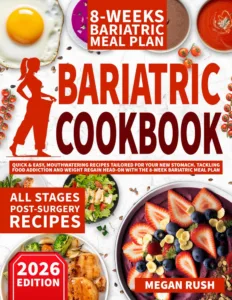
Check out the author’s book here: Bariatric Cookbook.

Leave a Reply