

If you are a few months past your gastric sleeve or bypass, you know the culinary rut by heart. Grilled chicken, scrambled eggs, a protein shake, and then the same three things again tomorrow. They are safe and your pouch tolerates them, however food fatigue is real. It quietly pushes you toward old comfort foods just to taste something different. The good news is that bariatric international recipes solve this without breaking a single rule. Many food cultures already build the plate around lean protein, vegetables, and bold spice instead of bread and sugar.
Greek, Thai, and Peruvian cooks all lean on marinades, herbs, citrus, and heat rather than heavy cream or starch. This guide takes you around the world in ten small, protein-first dishes. It also explains how to adapt each one to your stage.
Key Takeaways
- Global cuisines flavor food with herbs, spices, and acid, so you get depth without extra fat or sugar.
- Ten adaptable bariatric international recipes from the Mediterranean, Asia, Latin America, and the Middle East.
- Simple swaps such as cauliflower rice for sushi rice keep each dish true to itself.
- A stage-by-stage table shows which dishes puree well and which wait for regular textures.
- Restaurant tips for Mexican, Indian, Chinese, Italian, and Japanese menus, so family dinners stay safe.
Why Bariatric International Recipes Fit a Post-Op Plate
Many Western meals put processed carbohydrates at the center, whether that is bread, pasta, or potatoes. By contrast, many international food cultures start with the protein and treat starch as a side. That shift matches what your surgeon and dietitian ask of you: protein first, vegetables second, starch only if there is room.
- Asian cooking often features quick stir-fries of lean meat with crisp vegetables and a splash of soy.
- Mediterranean cooking leans on grilled fish, olive oil, lemon, and piles of fresh produce.
- Latin American cooking uses beans, lean grilled meats, and citrus marinades that tenderize before cooking.
There is a physiological reason this matters after surgery. Your stomach now holds a small amount at a time, so every bite has to earn its place. Protein is the nutrient your body needs most for healing and for keeping muscle while you lose weight. The American Society for Metabolic and Bariatric Surgery recommends eating protein first at each meal and chewing slowly. Bariatric international recipes make that easy because the protein is the whole point of the plate. Bold spices such as turmeric and cumin also make a small portion feel satisfying.
10 Bariatric International Recipes to Try
Each of these dishes is high in protein, low in carbohydrates, and gentle on a pouch when you cut it small. Introduce new textures slowly, chew thoroughly, and stop at the first sign of fullness. Portion sizes are personal, so let your dietitian set the amount that fits your stage.
1. Greek Lemon-Garlic Chicken Souvlaki
Marinate bite-sized chunks of chicken breast in lemon juice, olive oil, oregano, and minced garlic for at least an hour. Skewer the pieces and grill or air fry them until they are juicy and lightly charred. Serve with a spoonful of tzatziki, which is Greek yogurt stirred with grated cucumber. The extra moisture makes dry chicken far easier to swallow.
- Why it works: Pure protein with immense flavor, plus a little probiotic yogurt on the side.
2. Italian Turkey Meatballs in Marinara
Traditional meatballs rely on breadcrumbs, so swap them for almond flour or grated Parmesan to bind the mix. Simmer the lean turkey meatballs gently in a sugar-free marinara until they are tender all the way through. If you want less babysitting, my air fryer turkey meatballs use the same swap and finish while the sauce warms.
- Why it works: Soft, moist textures go down easily, which makes this a favorite for the soft food stage.
3. Spanish Garlic Shrimp (Gambas al Ajillo)
Warm olive oil in a skillet, then add plenty of sliced garlic and a pinch of red pepper flakes. Toss in the shrimp and cook them for a couple of minutes per side until they turn pink. Finish with chopped fresh parsley and serve immediately, because shrimp overcook the moment you look away.
- Why it works: Shrimp is a low-calorie, high-protein powerhouse, and this dish feels luxurious while taking minutes to make.
4. Thai Chicken Lettuce Wraps (Larb Gai)
Sauté ground chicken with a little chili, then stir in lime juice, fish sauce, and torn mint. Scoop the warm mixture into cool, crisp lettuce leaves and eat it with your hands.
- Why it works: It mimics the crunch of a taco without the carb-heavy shell.
- Watch out: Lime helps some people digest, but go easy on the chili if you have acid reflux.
5. Japanese Sashimi or Poke Bowl
Fresh raw tuna or salmon gives you omega-3 fats along with its protein. The American Heart Association recommends fish twice a week for heart health. Build a bowl with diced fish, edamame, cucumber, and avocado, then drizzle it with soy sauce and sesame oil. Ask your care team before you eat raw fish, since some surgeons prefer cooked protein for a while.
- Modification: Replace sushi rice with cauliflower rice, or simply enjoy the protein and vegetables.
- Cooked alternative: My Mediterranean grilled salmon takes the same bowl treatment with sesame and soy instead of lemon.
6. Indian Tandoori Chicken Skewers
Whisk plain yogurt with tandoori masala, cumin, and coriander, then coat boneless chicken thighs and wait several hours. Roast them in a hot oven or air fry until the edges blister and the inside stays soft. The yogurt does two jobs here: its acidity tenderizes the meat, and its fat keeps the chicken moist.
- Why it works: The marinade prevents the dry chicken syndrome so many post-op patients struggle with, and the leftovers puree beautifully.
7. Mexican Ceviche
Dice firm white fish or shrimp and cover it with fresh lime juice until the flesh turns opaque. That is the citrus doing the cooking, so no stove is needed. Fold in diced tomatoes, onion, cilantro, and avocado just before serving, then eat it with a spoon.
- Why it works: Light, refreshing, and ready without heat, so it is perfect for a summer lunch.
8. Brazilian Black Bean Stew (Feijoada Light)
Traditional feijoada is heavy with sausage and fatty cuts, however a lighter version is easy. Simmer black beans with cubes of lean pork loin, garlic, bay leaf, and cumin until the pork is fork-tender. Because beans bring fiber along with their protein, they digest more slowly than white rice or bread.
- Why it works: Beans are a fiber-rich source of protein, and a cup of the pureed stew doubles as a high-protein bariatric soup.
9. Peruvian Grilled Beef Skewers (Anticuchos)
Marinate lean beef cubes overnight in vinegar, cumin, and mild aji panca chili paste. Grill them hot and fast until they are tender but still pink in the center. Rest the skewers for a few minutes before you cut the meat small, since overcooked beef is a common texture complaint.
- Why it works: Red meat can sit heavily, but a long acidic marinade breaks down the fibers and makes it easier to tolerate.
10. Lebanese Beef Kafta
Mix lean ground beef with finely chopped parsley and onion, a pinch of cinnamon, and a pinch of allspice. Form small logs around skewers or shape them into little patties, then grill until just cooked through. The warm spices carry the dish, so you need far less salt than you would expect.
- Why it works: Ground meat usually goes down more easily than steak, and cinnamon adds warmth that reduces the need for salt.
Adapting Bariatric International Recipes to Your Stage
Not every dish suits every point in recovery, and your surgeon or dietitian decides when you move to the next texture. Use this table as a kitchen guide once your team has cleared each stage, never as a schedule.
| Stage your team has cleared | Dishes that fit | How to prepare them |
|---|---|---|
| Pureed foods | Tandoori chicken, feijoada light | Blend the chicken with extra yogurt; puree the stew to a hummus-like consistency. |
| Soft foods | Turkey meatballs, larb gai without lettuce, kafta | Cook until very tender, chop finely, and add sauce or yogurt for moisture. |
| Regular textures | Souvlaki, gambas, ceviche, anticuchos | Cut into pea-sized pieces, chew slowly, and stop at the first full signal. |
| Maintenance | All ten dishes | Portion control still rules, so plate the protein first and vegetables second. |
Moisture matters most as you move through textures, so keep a small bowl of tzatziki or broth beside the plate. For more flavor without sugar, my bariatric sauce solutions cover yogurt, tomato, and citrus dressings that pair with every dish here.
Common Mistakes With Bariatric International Recipes
The first mistake is treating spice level as fixed. Indian and Thai dishes taste wonderful at a mild heat, and you can add fresh chili at the table later. The second mistake is hidden sugar, because teriyaki, hoisin, and many jarred curry sauces carry more sugar than a dessert. Read the label or make the sauce yourself. The NIDDK guide to bariatric surgery explains why sugary foods can cause dumping syndrome after a bypass.
The third mistake is rushing, because these dishes come together fast and it is tempting to eat them fast too. Set the fork down between bites, and when you cook for a family, plate your small portion first.
Meal Prep and Storage
Most bariatric international recipes reheat well, which makes them perfect for a week of lunches. Marinate two proteins on Sunday, such as the souvlaki chicken and the tandoori thighs, and cook both in the air fryer. Store portions in small containers so a serving is already measured. Ceviche and sashimi are the exceptions because raw fish belongs on the plate the same day.
Rotating cuisines also helps with the boredom that makes so many people stall. A week that moves from Greek to Thai to Mexican keeps your palate curious, and my bariatric menu rotations show how to build that rhythm. Several of these dishes also fit my 30-minute bariatric meals pattern when time is short.
Ordering Bariatric International Recipes at a Restaurant
At an ethnic restaurant the same protein-first logic keeps you safe. Order the grilled or steamed item, ask for sauce on the side, and let the starch stay in the kitchen.
- Mexican: Order fajitas without the tortillas, or a burrito bowl with no rice and extra beans and meat.
- Indian: Choose tandoori dishes from the grill over creamy curries such as korma, which are high in fat.
- Chinese: Steamed chicken and vegetables with sauce on the side is the safest bet, while crispy usually means battered and fried.
- Italian: Go for minestrone and leave the pasta, or pick grilled fish.
- Japanese: Sashimi is gold and miso soup makes a gentle starter, so skip the tempura and the rice.
Restaurant portions suit a full-sized stomach, so ask for a to-go box when the food arrives. For a complete walk through menus and the social side, read my bariatric-friendly restaurant guide.
Frequently Asked Questions About Bariatric International Recipes
Can I eat spicy food after bariatric surgery?
It depends on your stomach and your timeline. In the early months spicy food can irritate the healing lining, so start with mild spices such as cumin or paprika. Your care team will tell you when a hotter dish is reasonable.
Is rice okay in sushi or stir-fry?
Rice expands in the stomach and often causes discomfort. Most post-op cooks either skip it or keep it to a spoonful, while cauliflower rice gives the same look without the bloating.
What about sauces in bariatric international recipes?
Many international sauces carry a lot of sugar. Sweet and sour, hoisin, and barbecue are the usual offenders, so ask for sauce on the side or choose dishes flavored with dry rubs and citrus.
Are beans a good protein source?
Yes, although they are also a carbohydrate. Count them as a complex carb, and pair them with a lean animal protein when you need more protein.
Your Passport Starts in the Spice Drawer
Healthy eating after surgery never has to mean bland eating. These ten bariatric international recipes prove that the rules your team gave you and the flavors you love fit on the same small plate. Pick one dish this week, buy two spices you have never used, and let your kitchen do the traveling.
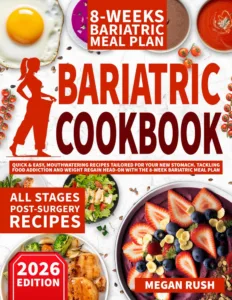
Check out the author’s book here: Bariatric Cookbook.

Leave a Reply