

Chicken breast turns to sawdust, steak sits like a stone, and another protein shake feels like a punishment. Most people leaving the soft food stage hit the same wall, because the foods that used to work now fight back. Air Fryer Turkey Meatballs answer that problem better than almost anything else in the post-op kitchen.
Ground meat arrives already broken down, therefore your pouch does far less work at every bite. The air fryer browns the outside without a pan of oil, and the inside stays tender when you build the mix correctly. Your surgeon and dietitian decide which stage you have reached, although the technique below holds once solid food gets the green light.
Key Takeaways
- Texture decides tolerance: ground meat moves through a small pouch far more easily than whole cuts.
- Fat is moisture: a 93% lean blend beats 99% fat-free, since a little fat keeps the meat swallowable.
- Skip the breadcrumbs: almond flour, parmesan and crushed pork rinds bind without wasting pouch space.
- Cook to temperature: 165°F ends the guesswork, because the window between juicy and dry is tiny.
- Batch and freeze: a full tray now protects next Tuesday from takeout and decision fatigue.
Why Ground Turkey Sits Better Than Steak
Your pouch struggles with dense muscle fiber, so a grilled chop can stall halfway and cause that stuck feeling. A grinder has already done that mechanical work for you, therefore the stomach only has to handle soft, loose protein. That single difference explains why meatballs reappear on so many bariatric plates within weeks of surgery.
Protein also stays the priority long after the incisions heal, because your body needs it to protect lean muscle during rapid loss. The American Society for Metabolic and Bariatric Surgery places protein at the center of long-term post-surgical nutrition. A standard 3-ounce serving of lean ground turkey delivers roughly 20 grams of protein with very little fat.
Choosing the Right Lean Blend
The label matters more than most people expect, since the fat percentage decides the texture. A 99% fat-free turkey breast blend sounds ideal, however it dries into a hockey puck within a minute of overcooking. A 93% lean blend keeps just enough fat to lubricate each bite, which makes swallowing easier and regurgitation less likely. Ground chicken behaves almost identically, so use whichever one your store has on sale.
The Moisture Problem, Solved
Dry poultry is not only disappointing after surgery, because dry meat can trigger the foamies and come straight back up. Moisture therefore belongs in the mix itself rather than in a sauce added afterward.
Three Ingredients That Keep Them Tender
- Ricotta or Greek yogurt. A spoonful of part-skim ricotta or plain Greek yogurt adds creaminess and a little extra protein.
- Grated vegetables. Finely grated zucchini or onion releases water while it cooks and steams the meatball from inside. Squeeze the excess liquid out first, otherwise the mixture falls apart in the basket.
- A light hand. Overworking ground meat tightens the protein strands and turns the result rubbery, so mix only until combined.
Eggs deserve a mention too, because they bind and enrich at the same time. If soft proteins still suit you best, our air fryer egg bites use the same principle in a gentler form.
Binders That Earn Their Space
Traditional recipes soak bread in milk, yet those carbohydrates take up room your pouch cannot spare. Swap them for binders that carry nutrition of their own:
- Almond flour: the low-carb standard, adding healthy fat and a faint nutty sweetness.
- Grated parmesan: a salty glue that melts and holds the structure together.
- Crushed pork rinds: zero carbohydrates, savory flavor and a gluten-free result.
Let the mixture rest for five minutes after mixing, because almond flour needs that time to absorb moisture. Parmesan brings salt of its own, therefore taste your seasoning before you add any more to the bowl. Pork rinds crush easily inside a sealed bag under a rolling pin, and the texture stays fine rather than gritty.
Air Fryer Turkey Meatballs: The Base Recipe
Master this version once, then treat it as a canvas for whatever spices you feel like using.
Ingredients:
- 1 lb (450g) 93% lean ground turkey
- 1/2 cup almond flour
- 1/4 cup grated parmesan cheese
- 1 large egg (beaten)
- 2 tbsp ricotta cheese (optional but recommended)
- 1 tsp garlic powder
- 1 tsp onion powder
- 1/2 tsp salt and black pepper
- Spray oil (avocado or olive oil)
Instructions:
- Preheat. Set the air fryer to 400°F (200°C).
- Mix. Whisk the egg, ricotta and spices in a large bowl. Add the almond flour and parmesan, then the turkey, and combine gently by hand.
- Form. Roll golf-ball-sized rounds of about 1.5 inches, which yields 12 to 15 meatballs. A cookie scoop keeps them even, therefore they finish cooking at the same moment.
- Cook. Spray the basket, then arrange the meatballs in a single layer without letting them touch. Two batches beat one crowded tray every time.
- Time. Air fry for 10 to 12 minutes and shake the basket halfway through for even browning.
- Check. The internal temperature has to reach 165°F (74°C), and the United States Department of Agriculture sets that figure for all poultry. Rest them two minutes before serving so the juices settle.
Lean Blends Compared
| Blend | Texture after 12 minutes | Best use | Watch out for |
|---|---|---|---|
| 99% fat-free turkey breast | Firm, often dry | Early solid stage with sauce | Dries within a minute of overcooking |
| 93% lean ground turkey | Juicy and tender | Everyday batches | Slightly higher fat per serving |
| 85% lean ground turkey | Very soft, greasy edges | Family portions | Renders fat into the basket |
| 93% lean ground chicken | Mild and tender | A change of flavor | Needs the same binder amount |
Each row uses the identical recipe, therefore the blend alone explains the difference on the plate. Most people settle on the 93% blend within a couple of batches and stop experimenting entirely.
Portions and Serving Ideas
Two to three meatballs, roughly 2 to 3 ounces, usually counts as one bariatric meal, although your dietitian sets your own target. Weigh the portion while you are still learning what fullness feels like in a smaller stomach. A kitchen scale teaches faster than any chart, because it shows the gap between what you served and what you finished. Leftovers on the plate are information rather than failure, so note which size actually suits your pouch today.
Air Fryer Turkey Meatballs in the Soft Food Stage
Mash one meatball with a fork and stir a little marinara or gravy through it until the texture turns loose. Chew slowly anyway, because the habit protects you later when portions grow. Whole meatballs suit the solid stage well, served with zoodles or roasted cauliflower on the side. Fish follows a similar progression, and our guide to bariatric air fryer fish covers the textures that work.
Cold meatballs also travel beautifully as a high-protein finger food, so pack two with a sugar-free dip. Mustard works, while sugar-free barbecue sauce adds smoke without sugar. For more portable options, our list of bariatric air fryer snacks keeps the afternoon covered.
Meal Prep That Actually Holds
Decision fatigue causes more slip-ups than hunger does, therefore a full freezer works as insurance. One pound of turkey produces about four meals, and the whole process takes half an hour from bowl to cooling rack. Doubling the batch costs you one extra round in the basket, although the payoff lands on three separate evenings.
Freezing and Reheating Air Fryer Turkey Meatballs
Cook them completely, then cool them fully before anything goes near the freezer. Spread them on a baking sheet and flash freeze for one hour, so they stay separate instead of fusing into a block. Transfer them to a freezer bag, where they keep for up to three months.
Reheating in the microwave turns poultry rubbery, although it does work in an emergency. The air fryer does better at 350°F for three to five minutes, because it re-crisps the outside while the middle warms. Our guide to reheating bariatric meals in an air fryer explains the timing for other leftovers. Busy nights get easier once the freezer fills, and our 30 minute bariatric meals round out the plate.
Flavor Variations Worth Trying
The base recipe hides behind whatever seasoning you choose, so one technique covers months of dinners:
- Asian style: ginger, scallions and a splash of soy sauce in the mix, finished with sugar-free teriyaki glaze.
- Greek style: chopped spinach, feta and oregano, served with tzatziki.
- Buffalo style: a spoonful of ranch seasoning in the mix, then a toss in mild buffalo sauce.
Poultry takes seasoning readily, and our best bariatric air fryer chicken recipes borrow the same spice blends. Breakfast can use the mixture too, since a small meatball alongside eggs beats a rushed shake. Our high protein bariatric air fryer breakfast ideas fill that slot properly.
Common Mistakes to Avoid
Crowding the basket. Stacked meatballs steam rather than brown, therefore they come out gray and soft instead of golden.
Ignoring sodium. Pre-seasoned blends and spice packets carry surprising amounts of salt, which brings bloating and water retention. Individual spices keep the control in your hands.
Overcooking. Lean turkey moves from perfect to dry in about ninety seconds, so a digital thermometer pays for itself immediately.
Skipping the rest. Two minutes on the counter lets the juices settle back through the meat, therefore cutting into one straight from the basket wastes them.
Frequently Asked Questions About Air Fryer Turkey Meatballs
Can I use ground chicken instead? Yes, and the texture and cooking time stay the same. Keep the binder amount identical, because chicken holds a similar level of moisture.
Why did mine fall apart? The mixture usually held too much liquid or too little binder. Squeeze grated vegetables dry and let the almond flour rest for five minutes before you roll anything.
Are they safe to eat cold? Yes, provided they reached 165°F during cooking and went into the fridge promptly. Cold meatballs suit lunch boxes and travel days well.
Can I simmer them raw in sauce? You can, although air frying first locks in the juices and protects the texture. Raw turkey simmered directly in sauce often turns mushy at the edges.
A Staple Worth Keeping
This recipe solves three post-op problems at once: enough protein, a texture your pouch accepts and a cooking method that stays fast. Buy the 93% blend, keep almond flour in the pantry and let the thermometer make the decisions. A tray of cold meatballs in the fridge answers the question of what to eat before the question turns into takeout.
Roll a batch this weekend, freeze half and taste the difference a little ricotta makes. Cooking well after surgery is a practical skill rather than a talent, and this one you can learn tonight.
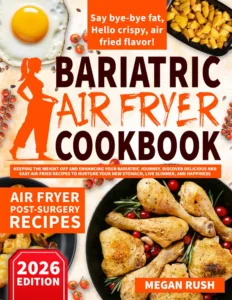
Check out the author’s book here: Bariatric Air Fryer Cookbook.

Leave a Reply