

You cooked a batch of lean protein on Sunday, and by Wednesday that chicken looks like a dry, gray brick in its container. After weight loss surgery, a tough bite is more than a letdown, because it can lodge in your pouch and ruin the whole afternoon. Reheating Bariatric Meals in Air Fryer baskets solves that problem, as long as you use lower heat, a little moisture and short timers.
The microwave feels like the quick answer, yet it squeezes the water out of meat and leaves it rubbery. Many post-op cooks simply throw their leftovers away instead, which wastes money, time and the protein they worked so hard to plan. This guide shows you the temperatures, the moisture tricks and the safety checks that bring yesterday’s dinner back to life.
Key Takeaways
- Dry, rubbery food is hard on a small pouch, so moisture comes first whenever you warm leftovers.
- The air fryer circulates hot air, which revives texture far better than the harsh heat of a microwave.
- Lower temperatures, short timers and a foil tent keep lean protein tender from the edge to the center.
- Chicken, fish, meatballs and roasted vegetables each need a slightly different method, time and temperature.
- A digital thermometer tells you when leftovers reach 165°F, the safe point for every reheated meal.
Why Moisture Matters So Much After Surgery
Whether you had a gastric bypass or a sleeve gastrectomy, your new stomach depends on careful chewing and soft, moist food. The stoma, the narrow opening that leads out of your pouch, lets tender food slide through without much trouble. In contrast, dry or stringy food behaves like a cork and can block that exit for a painful stretch of time.
When a piece of overcooked chicken plugs the opening, your stomach reacts with spasms and pressure in the chest. It also produces thick mucus to push the food along, and that often ends in the regurgitation many patients call the “foamies.” For that reason, protecting the moisture in your food matters just as much as choosing the right protein in the first place.
The Mayo Clinic guide to the gastric bypass diet explains why patients move slowly from liquids to soft foods and then to solids. Your surgical team decides when you reach each stage, so check with them before you reheat firmer leftovers. Meanwhile, cooking smaller portions from the start leaves you with less food to revive later in the week.
Microwave or Air Fryer: What Really Happens to Your Food
A microwave heats food by making the water molecules inside it move very fast. As a result, the water boils out of the protein and leaves behind a tough, dehydrated shell that is hard to chew. The air fryer works differently, because it behaves like a small convection oven.
A heating element warms the air, and a strong fan pushes that hot air around the food from every side. Therefore, the outside of roasted food turns crisp again while the inside warms at a gentler pace. However, dry air still pulls moisture from lean meat, so a bare chicken breast at 400°F dries out too.
| Feature | Microwave | Air Fryer |
|---|---|---|
| How it heats | Excites the water molecules inside the food | Circulates hot, dry air around the food |
| Texture of lean meat | Often rubbery and tough to chew | Tender when you use foil and a splash of liquid |
| Roasted vegetables | Soft, soggy and a little limp | Hot, with lightly crisp edges again |
| Best use after surgery | Soups and soft foods on the stove are a better choice | Solid proteins and vegetables with moisture protection |
To build a weekly menu around this appliance, our Bariatric Air Fryer Recipes gives you plenty of meals worth saving. Most of those dishes reheat well the next day, provided you follow the three rules below.
The Golden Rules for Warming Leftovers
Leftovers need a gentle touch, so forget the idea of setting the timer and walking away. Instead, follow these three habits for reheating bariatric meals in air fryer baskets, whether you warm fish, poultry or vegetables.
Rule 1 for Reheating Bariatric Meals in Air Fryer Baskets: Lower the Heat
For raw food, air fryers usually run between 375°F and 400°F (190°C to 200°C), far too hot for leftovers. Since you want to warm the food, not cook it twice, set the dial between 300°F and 320°F (150°C to 160°C). That lower range lets the heat reach the center of the portion before the outside dries out or burns.
Rule 2: Build a Moisture Barrier
Never place bare, lean protein directly on the rack, since the moving air strips its surface moisture within minutes. Instead, give your food a small protective pocket that holds in steam while it warms.
- The foil tent: Wrap chicken or fish loosely in foil, with a tiny opening at the top for steam.
- The broth splash: Add one teaspoon of low-sodium chicken or vegetable broth over the meat before you close the foil.
As the basket heats up, that broth turns into steam and keeps the protein soft throughout.
Rule 3: Use Short Time Intervals
Leftovers warm up remarkably fast in an air fryer, so start with a timer of just three to four minutes. Then check the food, and add more time in one-minute steps only if the center still feels cool. In fact, even two extra minutes can turn a tender portion into a dry, chewy one.
Reheating Guides by Food Type
Different proteins need different handling, so here is how to treat the staples most post-op cooks keep in the fridge.
Reheating Bariatric Meals in Air Fryer Baskets: Chicken and Poultry
Chicken breast is famously hard to tolerate after surgery, largely because it has very little fat to keep it moist. Our Best Bariatric Air Fryer Chicken Recipes help you cook it tender the first time, so the second round goes easier.
- Slice the cold chicken into thin, bite-sized strips instead of reheating the whole breast in one piece.
- Lay the strips on a small piece of foil so the juices stay close to the meat while it warms.
- Drizzle a little olive oil or a spoonful of sugar-free marinara over the top for extra moisture and flavor.
- Heat the packet at 320°F for 3 to 4 minutes, then check the thickest strip with your thermometer.
Slicing the meat first also cuts down the chewing, which lowers the chance of a stuck bite.
Fish and Seafood
Cod, tilapia and salmon suit a small stomach well, but they overcook in seconds. The foil packet is a must here, and our guide to Bariatric Air Fryer Fish shows how to keep that flaky texture.
- Place the fish in a foil packet and add a squeeze of fresh lemon juice over the top.
- Heat it at 300°F for exactly 3 minutes, and let the lemon juice create gentle steam inside.
The lemon also brightens the flavor, so day-old seafood tastes fresh instead of flat or fishy.
Ground Meats and Meatballs
Ground meat is usually easier for a small stomach than solid muscle meat, and it holds its moisture well. Batch-cooked Air Fryer Turkey Meatballs are a perfect example of a protein that tastes almost as good on day three.
- Put the meatballs in a small, oven-safe ramekin or a silicone liner inside the basket.
- Spoon one tablespoon of sauce or gravy over them so the surface never dries out.
- Heat at 320°F for 4 to 5 minutes, because the ramekin walls shield the meat from the fan.
The same ramekin trick works for leftover Air Fryer Egg Bites, which stay soft when the air cannot reach them.
Roasted Vegetables
Zucchini, broccoli and carrots turn soggy in the microwave, yet the air fryer restores their roasted texture beautifully. Unlike meat, vegetables do not need the foil tent, because they actually benefit from direct contact with the moving air.
- Toss the cold vegetables with a light mist of avocado oil spray so they crisp evenly.
- Spread them in a single layer and heat at 350°F for 3 minutes, until the edges turn crisp.
Always make sure your vegetable choices match the diet stage your dietitian has set for you right now.
Food Safety When Reheating Bariatric Meals in Air Fryer Baskets
Bariatric patients produce less stomach acid after surgery, so their bodies may have a harder time fighting off harmful bacteria. Moreover, food poisoning brings vomiting and diarrhea, which can quickly lead to dangerous dehydration. Texture matters a great deal, but bacterial safety always comes first.
According to the USDA safe minimum internal temperature chart, leftovers should reach 165°F (74°C) before you eat them. Therefore, keep an instant-read digital thermometer next to the air fryer and check the thickest part of every portion.
Time matters as much as temperature, so eat refrigerated leftovers within three to four days of cooking them. If you cannot finish your prepped meals within that window, move them to the freezer right away.
Avoid the Slider Food Trap
The air fryer makes food wonderfully crispy, and that strength can quietly work against you. For example, it is tempting to warm frozen fries or breaded nuggets, because the basket turns them golden fast. These slider foods are processed and high in carbohydrates, so they slip past the restriction of your pouch.
As a result, you can eat hundreds of empty calories without ever feeling full. When you want something crunchy, our Bariatric Air Fryer Snacks and Air Fryer Avocado Fries offer better choices.
Troubleshooting Common Reheating Problems
Even with good technique, things occasionally go wrong, so here is how to fix the three most common complaints.
- The food still turned out rubbery: Next time, lower the heat to 300°F and add a teaspoon of broth inside the foil.
- The middle is still cold: Cut thick portions, like meatloaf, into thinner pieces so the heat reaches the center.
- The meat tastes stale: Add lemon, hot sauce or fresh herbs right after it leaves the basket.
That stale, warmed-over taste comes from fats that oxidize in the fridge, and a bright finishing touch hides it well. On busy nights, our 30 Minute Bariatric Meals also help you cook fresh portions quickly when leftovers run out.
Frequently Asked Questions
Can I put plastic or glass containers in the air fryer? No, plastic melts, and standard glass can shatter. Use only materials labeled oven-safe, such as silicone liners, aluminum foil or ceramic ramekins.
Is it safe to reheat food more than once? No, because each round of cooling and reheating lets bacteria multiply. A third round of heat also dries out lean protein completely, so warm only the portion you plan to eat right away.
Can I reheat soups or protein shakes in the air fryer? No, liquids can boil over and splatter the fan. Instead, warm soups gently in a small saucepan on the stove, and ask your care team which liquids fit your current stage.
Does foil stop the air fryer from working? A sheet that covers the whole basket floor blocks the airflow. However, a small packet around one portion leaves plenty of room for the hot air to circulate.
Enjoy Your Leftovers Again
Throwing away good, protein-rich food because you fear dry leftovers hurts both your progress and your grocery budget. Once you understand convection heat, Reheating Bariatric Meals in Air Fryer baskets becomes a quick, safe habit. Keep the heat low, trap the steam with foil, and check every portion with a thermometer.
For the week ahead, our High Protein Bariatric Air Fryer Breakfast Ideas also reheat beautifully the next morning. With these small steps, your meal prep stays delicious and your pouch stays comfortable.
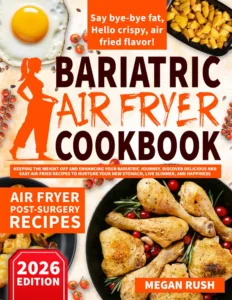
Check out the author’s book here: Bariatric Air Fryer Cookbook.

Leave a Reply