

Leaving the liquid and pureed phases behind feels like a real milestone after weight loss surgery. Yet the soft food stage, often around weeks 4 to 8, brings its own set of challenges. Your pouch or sleeve is still healing, and dry or tough textures can cause pain, nausea or vomiting. That is why Air Fryer Egg Bites have become a favorite for so many bariatric patients. They feel soft and custardy, they carry plenty of protein, and they cook in less than 15 minutes.
Unlike a hard-boiled egg, a whipped egg baked in a silicone mold stays airy and moist. As a result, it slides through a narrow stomach opening without the rubbery bite that many patients fear. In this guide, you will learn why texture matters, how to cook three recipes and how to eat them safely.
Key Takeaways
- Whipping eggs with ricotta or cottage cheese creates a soft, fork-tender texture that suits a healing stomach.
- A serving of two bites delivers roughly 12 to 14 grams of complete protein in a tiny portion.
- Gentle circulating heat at 300°F keeps the egg proteins from tightening into a rubbery, hard-to-digest mass.
- One batch cooks in about 12 minutes, and the leftovers reheat well for quick breakfasts during the week.
- Slow chewing, small portions and the 30/30 rule matter just as much as the recipe itself.
Why Protein Matters So Much in the Soft Food Stage
After a sleeve gastrectomy or gastric bypass, your body loses weight quickly and needs protein to protect its muscle. Without enough of it, your system starts breaking down its own muscle tissue to meet daily demands. For this reason, the American Society for Metabolic and Bariatric Surgery treats protein as a top priority after surgery. Many programs aim for about 60 to 80 grams a day, but your care team sets your exact goal.
However, reaching that goal feels hard when your stomach holds only 2 to 4 ounces at a time. Moreover, lean chicken or dense turkey can sit heavy and dry in a small pouch during the early weeks. Lower acid levels and a smaller stomach both make it harder to break down tough muscle fibers. Eggs, on the other hand, offer all nine essential amino acids in a soft, gentle package. They also supply choline, a nutrient that supports the liver during rapid weight loss.
On busy mornings, our High Protein Bariatric Air Fryer Breakfast Ideas add even more variety to your first meal of the day.
Why Air Fryer Egg Bites Beat Boiled and Fried Eggs
Eggs are nearly perfect for bariatric patients, yet the cooking method decides whether your stomach accepts them. Many people feel surprised when scrambled or hard-boiled eggs suddenly cause discomfort a few weeks after surgery. The reason lies in the way egg proteins react to strong, direct heat on the stove.
In a hot pan, the proteins tighten quickly, squeeze out moisture and form a firm, rubbery network. Likewise, a hard-boiled yolk turns dry and chalky while the white becomes tough and springy. Those dry proteins resist breakdown in a small pouch and can lead to foaming, mucus and chest pressure.
An air fryer, by contrast, works like a small convection oven with steady, circulating heat. At a low setting, the heat surrounds each silicone cup and cooks the egg evenly from all sides. Meanwhile, the silicone mold traps steam inside, so every bite stays moist and tender. Blending the eggs with ricotta, cottage cheese or Greek yogurt softens the result even further. The dairy dilutes the egg proteins, which stops them from forming a tight, rubbery structure.
For safety, the USDA safe minimum temperature chart lists 160°F as the safe internal temperature for egg dishes. A quick check with an instant-read thermometer gives you peace of mind without overcooking the whole batch.
Comparing Egg Preparation Methods After Surgery
The table below shows how each cooking method changes the texture and comfort of eggs during your recovery.
| Method | Texture | Ease of Digestion | Moisture |
|---|---|---|---|
| Hard-boiled egg | Rubbery white, dry and chalky yolk | Very low | Very little |
| Pan-fried egg | Crisp edges, often greasy | Low | Low, and the oil may trigger dumping |
| Scrambled egg | Often dry when cooked fast on the stove | Moderate | Dries out quickly |
| Egg bites from the air fryer | Velvety, even and custardy | Very high | High, thanks to the silicone mold |
As a result, air fryer egg bites ask far less work from your pouch than stovetop eggs do. That lowers the risk of a painful blockage or a sudden bout of reflux after a meal. Still, your surgeon or dietitian decides when each texture fits your personal plan.
Three High-Protein Recipes for the Soft Food Stage
Each recipe makes six bites, and one serving equals two bites or less, depending on your capacity. Every version uses a silicone egg bite mold and a low temperature of 300°F (149°C).
Recipe 1: Silky Ricotta and Herb Air Fryer Egg Bites
Part-skim ricotta gives these bites a smooth, soufflé-like texture that even sensitive stomachs usually tolerate well.
| Ingredient | Amount |
|---|---|
| Large eggs | 4 |
| Part-skim ricotta | 1/2 cup |
| Unsweetened almond milk or skim milk | 2 tablespoons |
| Fresh dill or chives, finely chopped | 1 tablespoon |
| Sea salt | 1/4 teaspoon |
| Black pepper (skip it if spices bother you) | A pinch |
- Spray the silicone mold lightly with olive or avocado oil from a pump bottle, not an aerosol can.
- Blend the eggs, ricotta, milk, salt and pepper on high for 30 seconds until smooth and slightly frothy.
- Pour the mixture into a bowl and gently fold in the chopped dill or chives with a spatula.
- Fill each of the six cups about three-quarters full, which leaves room for the eggs to rise.
- Place the mold in the basket and cook the bites at 300°F (149°C) for 12 to 14 minutes.
- Once the centers look firm but still jiggle slightly, let the mold rest for five minutes before unmolding.
Per serving of two bites, expect about 135 calories, 12.5 g protein, 1.8 g carbs and 8.5 g fat.
Recipe 2: Whipped Cottage Cheese and Spinach Air Fryer Egg Bites
Blended cottage cheese loses its lumps and turns into a creamy base full of slow-digesting casein protein.
| Ingredient | Amount |
|---|---|
| Large eggs | 4 |
| Low-fat (2%) cottage cheese | 1/2 cup |
| Baby spinach, steamed, squeezed dry and minced | 1/4 cup |
| Parmesan, finely grated | 2 tablespoons |
| Garlic powder (optional) | 1/4 teaspoon |
| Salt | 1/4 teaspoon |
- Grease the silicone mold lightly and preheat the air fryer to 300°F (149°C) for a few minutes.
- Blend the eggs, cottage cheese, Parmesan, garlic powder and salt until no curds remain in the mixture.
- Drop a small pinch of the minced spinach into the bottom of each silicone cup before you pour.
- Pour the egg mixture over the spinach, then swirl each cup gently with a toothpick to spread it.
- Air-fry the bites for 11 to 13 minutes, until the tops look firm and lightly golden.
- Rest them for three to five minutes, since the steam needs time to escape before unmolding.
Per serving of two bites, expect about 140 calories, 14.2 g protein, 1.5 g carbs and 8.2 g fat.
Recipe 3: Cheddar and Turkey Bacon Egg Bites for the Later Soft Stage
This version suits the end of the soft food stage, once your team approves a little more texture. Finely minced turkey bacon adds a smoky flavor without the crunch that can irritate a healing pouch.
| Ingredient | Amount |
|---|---|
| Large eggs | 3 |
| Liquid egg whites | 1/4 cup |
| Plain low-fat Greek yogurt | 1/3 cup |
| Low-fat sharp Cheddar, finely shredded | 1/4 cup |
| Turkey bacon, cooked soft and minced very fine | 2 slices |
| Salt | 1/4 teaspoon |
- Cook the turkey bacon until soft but not crispy, then mince it until it looks almost like a paste.
- Blend the whole eggs, egg whites, yogurt and salt until the mixture turns light and airy.
- Place a pinch of bacon and a pinch of Cheddar in the bottom of each greased cup.
- Pour the egg mixture over the fillings to three-quarters full and stir each cup with a toothpick.
- Cook the mold at 300°F (149°C) for 12 to 14 minutes, until the centers barely jiggle.
- Let the bites rest for five minutes, and then pop them out of the silicone cups.
Per serving of two bites, expect about 130 calories, 13.8 g protein, 1.2 g carbs and 7.5 g fat.
Once these feel easy, our Air Fryer Turkey Meatballs and the tender Bariatric Air Fryer Fish make natural next steps for your menu.
Safe Habits for Eating and Storing Egg Bites
Even the softest recipe needs the right habits around it to protect your healing stomach.
Reheating Without Losing Moisture
A batch made on Sunday can cover several breakfasts, but the microwave often turns leftovers rubbery. Instead, warm the bites in the air fryer at a low setting for a few minutes. Our guide to Reheating Bariatric Meals in Air Fryer explains the full method step by step. Keep cooked bites in a sealed container in the fridge, and follow the storage window your dietitian recommends.
Following the 30/30 Rule
Drinking with meals is a common cause of nausea and dumping after surgery. For that reason, many programs teach a simple 30/30 rule for separating liquids and solids.
- Stop drinking all liquids about 30 minutes before your first bite of food.
- Avoid sipping water or other drinks while you eat your egg bites at the table.
- Wait at least 30 minutes after the meal before you start drinking again.
This habit keeps food from washing through the pouch too fast and helps you stay full longer. Your care team may adjust the timing, so follow their specific instructions first.
Portion Size and Slow Eating
In the early weeks, your pouch holds only about 2 to 4 ounces of food at a time. Many patients feel full after half an egg bite or one whole bite, and that is completely normal. Chew each piece until it feels almost liquid, and give yourself 20 to 30 minutes for the meal. Stop at the first sign of fullness, such as a sigh, chest pressure or a runny nose. For extra support, the Mayo Clinic guide to the gastric bypass diet explains how textures and portions progress over time.
Frequently Asked Questions
Can I eat egg bites in the pureed stage? Yes, after you blend them with warm broth. The final texture should look like smooth applesauce, with no lumps at all.
What if egg bites make me nauseous? This often means they cooked too fast or you ate too quickly. Try adding more cottage cheese or ricotta for a softer bite, or use only liquid egg whites.
Can I freeze air fryer egg bites? Yes, they freeze very well once they cool completely. Freeze them in a single layer on a tray, then move them into an airtight freezer bag. To reheat, air-fry them from frozen at 300°F (149°C) for 6 to 8 minutes.
Why add cottage cheese or ricotta? The soft cheese adds protein and moisture at the same time. It also slips between the egg proteins and keeps them from binding into a tough mass. The result feels fluffier and much easier to chew and swallow than plain scrambled eggs.
What else can I cook in the air fryer? Plenty of soft, protein-rich dishes work well at this stage. Our Bariatric Air Fryer Recipes collection and the Best Bariatric Air Fryer Chicken Recipes offer many easy ideas.
Making Egg Bites Part of Your Weekly Routine
The soft food stage does not have to feel bland or repetitive. With a silicone mold and a low setting, Air Fryer Egg Bites give you a gentle, protein-rich meal in minutes. As you heal, you will slowly add more textures under your team’s guidance. Until then, these bites offer a safe and tasty bridge between soft foods and regular meals. When you want something small between meals, our Bariatric Air Fryer Snacks keep your goals on track.
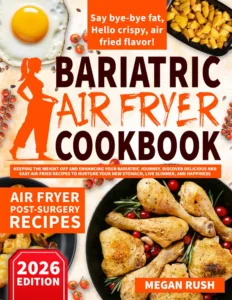
Check out the author’s book here: Bariatric Air Fryer Cookbook.

Leave a Reply