

The morning cup is a ritual long before it is a drink, which is exactly why the diagnosis stings. Can you drink coffee with diverticulitis, or does the pot go in the cupboard for good? The honest answer has two halves, and they point in opposite directions. During an active flare the cup waits. In the quiet stretches between episodes, though, coffee is a personal question rather than a medical ban.
Key Takeaways
- During an active flare you skip coffee entirely, because caffeine stimulates a colon that needs rest.
- In remission, coffee is a matter of personal tolerance rather than a universal rule.
- No good evidence says that coffee causes diverticular disease in the first place.
- The cream and the sugar cause trouble at least as often as the coffee underneath them does.
- Reintroduce it small, weak and with food, then write down what your gut does afterward.
- Your doctor knows your case; treat this article as preparation for that conversation, not a substitute.
Can You Drink Coffee with Diverticulitis? The Short Answer
If you are in the middle of a flare, the answer is no for now. That means pain, fever and a diagnosis from your doctor, rather than a vague suspicion. Inflammation has taken hold in your colon, and the whole treatment plan rests on giving it as little work as possible. Coffee pushes in the other direction, therefore it waits until the inflammation has settled and your doctor has said so.
If you have diverticulosis instead, meaning the pouches are there but nothing is inflamed, the answer changes completely. Coffee stays on the menu unless your own gut objects, and plenty of people drink it daily without any trouble at all. The difference between those two situations is the single most important idea on this page.
Diverticulosis or Diverticulitis: The Distinction That Decides Everything
These two words look alike and mean very different things, so the dietary advice for one reverses the advice for the other. Diverticulosis describes the presence of small pouches in the wall of the colon, usually without symptoms and often discovered by accident. Diverticulitis means one or more of those pouches has become inflamed or infected, which brings pain, fever and a treatment plan.
Prevention is the goal in diverticulosis, and it rests on fiber, fluid and plain regularity. Rest is the goal in diverticulitis, and it relies on gentle liquids plus whatever your doctor prescribes. The National Institute of Diabetes and Digestive and Kidney Diseases explains both conditions in its overview of diverticulosis and diverticulitis. That distinction is worth reading twice before you worry about any single drink.
During a Flare: Why Coffee Waits
Three reasons stack up during an active episode, and together they make the case fairly clearly.
- Caffeine stimulates the bowel. It speeds up peristalsis, the muscular wave that moves waste along, and a colon that is already cramping does not need the encouragement.
- Coffee is acidic. That acidity irritates a digestive tract that is inflamed from one end of the affected segment to the other.
- It is not a clear liquid. Flare treatment often starts with liquids you can see through, and coffee fails that test even without milk.
Your doctor usually moves you through stages, from clear liquids to low-fiber foods and then back to your normal diet. The whole point of those stages is to hand your colon less work each day, so anything stimulating belongs at the end of the sequence. Our guide to the clear liquid diet for diverticulitis lists what actually qualifies, and the stage 1 diet covers the transition back to soft food.
Broth does the job that coffee cannot do here, because it comforts without stimulating anything. If you want something warm to hold in the morning, bone broth for diverticulitis is the closest substitute for the ritual itself.
Coffee in Remission: The Case For It
Once the inflammation is gone, the same stimulant effect that hurt you during the flare starts working in your favor. Constipation and straining raise pressure inside the colon, and pressure is what makes pouches form and misbehave in the first place. Anything that keeps stool moving reduces that pressure, which is why regularity sits at the center of prevention.
Coffee helps many people stay regular, reliably and without any effort on their part. Some population research even associates coffee intake with a slightly lower risk of diverticular disease, most likely through that same motility effect. None of that makes coffee a treatment, although it does undercut the idea that it belongs on a forbidden list.
Coffee in Remission: The Case Against It
Tolerance is individual, and a fair number of people simply feel worse with coffee in their system. Acidity causes mild cramping for some, while the stimulant effect tips others into urgency or loose stools that they would rather avoid. Neither reaction means a flare is coming, but neither one is pleasant either.
The add-ins deserve suspicion before the coffee does. Two tablespoons of heavy cream, three teaspoons of sugar and a flavored syrup make a drink that has very little to do with black coffee. Sugar in quantity is inflammatory, and high-fat dairy is hard work for a sensitive gut. Both of them are easy enough to remove for a week as a test.
Flare, Recovery, Remission: Can You Drink Coffee with Diverticulitis at Each Stage
Where you are in the cycle decides the answer, and the table below summarizes the whole article in five rows.
| Stage | Coffee | Why | What to drink instead |
|---|---|---|---|
| Active flare | No | Stimulant, acidic, not a clear liquid | Water, clear broth, mild herbal tea |
| Clear liquid phase | No | Opaque and stimulating | Broth, diluted pulp-free juice |
| Low-fiber recovery | Usually not yet | Gut still settling, ask your doctor | Herbal tea, water |
| Four to six weeks after | Small test cup | Tolerance can be assessed safely | Half-strength coffee with food |
| Remission | If you tolerate it | No evidence of harm in most people | Whatever you actually enjoy |
Read your own row rather than the one you would prefer. Rushing from the third row to the fifth is the most common mistake people make with this drink.
Does Coffee Cause Diverticulitis?
There is no good evidence that it does, and that answer has stayed stable for years. Diverticular disease develops over decades, driven mostly by low fiber intake, chronic constipation and the pressure that results inside the colon. A single beverage does not build pouches in a bowel wall.
The worry has the same roots as the old advice about nuts, seeds and popcorn, all of which has since been walked back. Mayo Clinic’s overview of diverticulitis reflects the current picture.
Our own pieces on diverticulitis and nuts and on popcorn with diverticulosis cover the two myths that come up most often.
How to Test Your Own Tolerance After a Flare
Reintroduction works best as a small experiment with one variable, run on a calm week rather than a busy one. Follow the steps in order, and stop at the first sign that your gut disagrees.
- Wait until you are fully healed, which usually means four to six weeks past the flare and back on your normal diet.
- Start weak and small, with a half-strength cup of four to six ounces rather than your old mug.
- Drink it with breakfast instead of on an empty stomach, since food softens the stimulant effect considerably.
- Take it black for the first week, because that isolates the coffee from the cream and the sugar.
- Write down the time and how you felt for the next 24 hours, including cramping, gas or urgency.
- Try a low-acid blend if you feel mild irritation, as the roast affects how harsh the cup lands.
- Wait a day or two between test cups, and rebuild the habit slowly rather than all at once.
That journal is more useful than any general rule, and it doubles as a record of other patterns. Our guide to diverticulitis flare-ups explains how to run the same test on anything else you suspect.
What to Drink Instead
Some people run the experiment, get a clear answer and decide that coffee is not worth it. The alternatives below cover both the flare and the long stretch afterward.
- Herbal teas. Peppermint soothes, ginger settles nausea and chamomile calms, and all three are gentle enough for most stages.
- Chicory root brew. It tastes roasted and dark, contains no caffeine, and its inulin feeds gut bacteria as a bonus.
- Decaf coffee. Still faintly acidic and not entirely caffeine-free, yet a real step down that many people tolerate well.
- Clear broth. Warm, savory and genuinely restorative during a flare, when almost nothing else passes the test.
- Water. Unglamorous, and still the drink that makes a high-fiber diet work as intended.
Our roundup of tea for diverticulitis goes through the herbal options one by one, including which ones to keep weak.
The Bigger Picture: Fiber, Water and Regularity
Fixating on one beverage is an easy way to miss the thing that actually matters. Your overall pattern of eating shapes this condition far more than any single cup does, and that pattern is where your attention belongs. Aim for 25 to 38 grams of fiber a day. Then drink enough water for that fiber to work, and move your body on most days of the week.
Planning helps more than willpower does, particularly in the weeks after an episode. The diverticulitis diet plan lays out the stages, and diverticulitis meal prep makes the daily part manageable.
Our piece on what causes flare-ups covers the triggers worth watching, so that you know what you are watching for.
Frequently Asked Questions
Can I drink decaf during a flare-up?
Generally no. Decaf is still acidic and still opaque, which puts it outside any clear liquid diet. Ask your doctor before adding anything beyond what your current stage allows.
How long after a flare can I have coffee again?
Most people wait four to six weeks. Your own timeline depends on how severe the episode was and on how quickly the symptoms cleared. Your doctor sets that date rather than the calendar.
Does adding milk make coffee gentler on the gut?
Sometimes it buffers the acid a little. High-fat dairy, though, is its own challenge for a sensitive digestive system. Try a small amount of a low-fat or plant-based option and see which version your gut prefers.
Is cold brew easier to tolerate than hot coffee?
Cold brew is usually less acidic, which helps some people noticeably. It is often stronger in caffeine per cup, however, so dilute it well during your first attempts.
Can You Drink Coffee with Diverticulitis? Your Answer, Not Mine
The rule is simple enough to hold in your head without a chart. No coffee while you are actively flaring, and a careful test once you have healed properly. After that, whatever your own gut tells you in the months that follow. Coffee does not cause this condition, and it does not cure it either.
Keep the focus on fiber, fluids and regularity, which do far more for you than any decision about the morning cup. Then, when the cup comes back, let it be a pleasure rather than a worry. That is the version of this ritual worth keeping.
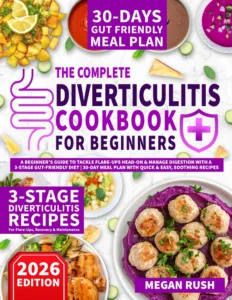
Check out the author’s book here: Diverticulitis Cookbook.

Leave a Reply