

A diverticulitis flare can turn an ordinary week upside down, with sharp pain, fever and little appetite for food. In many cases, your doctor will suggest a short period of bowel rest before you slowly return to normal meals. That first phase, often called a diverticulitis stage 1 diet, starts with clear liquids and then moves step by step toward soft foods. Following the stages in order helps your colon calm down and lowers the chance of a painful setback.
This guide explains what happens during each phase and which foods usually fit at each step. It also shares a gentle recipe, common mistakes to avoid and clear signs that tell you when to call your doctor.
Key Takeaways
- Clear liquids give your colon a short rest while the inflammation begins to settle.
- Full liquids and then low-fiber soft foods follow once pain, fever and cramping start to ease.
- Keep fiber low only for a short time, then rebuild it slowly once you have fully recovered.
- Drinking enough fluid remains essential at every stage, especially when you start eating low-fiber foods.
- Worsening pain, persistent fever or vomiting always call for prompt medical attention.
What a Diverticulitis Stage 1 Diet Means
Diverticula are small pouches that can form in weak spots along the wall of the large intestine. When one or more of them become inflamed or infected, doctors call the condition diverticulitis. According to the Cleveland Clinic, mild cases are often managed at home with rest, diet changes and sometimes medication.
The main goal of the early diet is to reduce how hard your colon has to work. Clear liquids leave almost no residue, so your bowel moves less and the inflamed tissue has time to settle. For this reason, a diverticulitis stage 1 diet usually lasts only a few days before you add more substance.
The National Institute of Diabetes and Digestive and Kidney Diseases notes that doctors may suggest clear liquids or a low-fiber diet during a flare. Your own plan depends on how severe your symptoms are, so always follow the advice of your care team first.
If you want to understand why flares happen in the first place, our guide on What Causes Diverticulitis Flare-Ups covers the most common triggers.
The Clear Liquid Phase
The first step relies on fluids you can see through, which are easy to digest and leave little waste behind. Most people stay on clear liquids for about two or three days, although your doctor may adjust that time.
Good choices include water, clear broth, pulp-free apple juice, plain gelatin, ice pops without fruit pieces and weak herbal tea. For a full list with practical tips, see our Clear Liquid Diet for Diverticulitis guide.
Warm broth is especially comforting during this phase, because it adds sodium, fluid and a little flavor to a very limited menu. Our article on Bone Broth for Diverticulitis explains how to choose or make a gentle version without onion or garlic.
Coffee is a common question at this stage, since many people rely on it every morning. Our guide on Can You Drink Coffee with Diverticulitis explains why most people pause it during a flare.
Moving From Clear to Full Liquids
Once pain and cramping start to ease, your doctor may allow full liquids for a day or two. These foods are still smooth, but they add more calories, protein and comfort than clear fluids alone.
Typical options include strained cream soups, smooth low-fat yogurt, milk or lactose-free milk, and pudding without seeds or nuts. Nutrition shakes can also help if your appetite stays low, as long as they contain little fiber.
At this point, it helps to eat small portions every few hours instead of three large meals. Smaller amounts put less pressure on your colon and make it easier to notice how your body responds.
Signs You Are Ready for the Next Diverticulitis Stage 1 Diet Step
You can usually move forward when your pain keeps improving, your fever has gone and you can keep fluids down easily. However, a sudden return of cramping or bloating means you should slow down and stay at the current stage longer.
Many people feel tempted to rush this process once they start to feel hungry again. Even so, a patient approach usually shortens the overall recovery, because a setback often sends you straight back to clear liquids.
Transitioning to Low-Fiber Soft Foods
The next phase introduces soft, low-fiber foods that are easy to chew and digest. During this time, many doctors suggest keeping fiber quite low, often around 10 to 15 grams per day.
Fiber normally protects the colon over the long term, but during recovery it adds bulk that your bowel must push through. For this reason, soft and refined foods work better for a short while.
Soft Foods That Fit a Diverticulitis Stage 1 Diet
| Food group | Usually well tolerated | Better to skip for now |
|---|---|---|
| Grains | White rice, white bread, plain pasta, cream of rice | Whole grains, bran, oatmeal, brown rice |
| Protein | Eggs, tender chicken, fish, smooth nut butter | Tough or fried meats, sausages |
| Fruit | Bananas, applesauce, canned peaches without skin | Raw fruit with skins, dried fruit, berries |
| Vegetables | Peeled carrots or squash, cooked until very soft | Raw salads, cabbage, broccoli, corn |
| Dairy | Yogurt, mild cheese, milk if tolerated | Dairy with added fruit pieces or granola |
Eggs are a versatile choice, because they are soft, rich in protein and quick to prepare. Our recipes for Air Fryer Egg Bites are a simple way to enjoy them during the soft food stage.
For more meal ideas during this period, our guide on Diverticulitis Diet Plan lists gentle foods and sample menus.
A Gentle Chicken and Rice Porridge
This simple porridge combines broth, white rice and tender chicken, so it fits well when you first return to soft foods. It makes two servings and takes about 35 minutes from start to finish.
| Ingredient | Amount |
|---|---|
| Low-sodium chicken broth, without onion or garlic | 4 cups |
| White jasmine rice, rinsed | 1/2 cup |
| Cooked chicken breast, finely shredded | 1/2 cup |
| Carrot, peeled and sliced | 1 medium |
| Sea salt | 1/4 teaspoon |
- Bring the broth to a gentle simmer in a medium saucepan, then stir in the rinsed rice and the carrot slices.
- Cover the pan and cook on low heat for about 20 minutes, stirring from time to time, until the rice turns very soft.
- Add the shredded chicken and simmer uncovered for 5 more minutes, so the porridge becomes thick and creamy.
- Season with salt, then let the porridge cool to a warm temperature before you serve it in small bowls.
Each serving contains less than 1 gram of fiber, which makes it a gentle option for the first days of solid food.
Common Mistakes During Recovery
Recovery rarely follows a perfectly straight line, and small missteps can easily bring symptoms back. Being aware of the most common ones helps you avoid them.
The first mistake is moving to high-fiber foods too soon, especially large salads or whole grains. Instead, add one new food at a time and wait a day to see how your body reacts.
Another common problem is drinking too little once you start eating again. A low-fiber diet can lead to hard stools, so keep sipping water, broth or herbal tea throughout the day.
Packaged foods can also hide added fiber, such as inulin or chicory root, especially in protein bars and low-carb products. Therefore, check labels carefully during this phase, and choose simple, familiar foods whenever possible.
Finally, some people return to intense workouts before their body is ready. Our guide on Exercise and Diverticulitis explains how to restart activity gently after a flare.
Returning to a High-Fiber Diet
A low-fiber menu is only a temporary bridge, not a long-term plan. Once your symptoms have gone for a while, most doctors recommend increasing fiber slowly to help prevent future flares.
Add about 5 grams of fiber every few days, and increase your fluids at the same time to avoid gas or bloating. Good options include oatmeal, cooked vegetables, beans and fruit with skins. The order that works for most people, one food at a time, is set out in our guide to diverticulitis diet plan.
Nuts and seeds were once off limits for people with diverticular disease, but newer research no longer supports that advice. Our article on Diverticulitis and Nuts explains what changed and how to add them back safely.
For long-term planning, our Diverticulitis Diet Plan offers a balanced structure for everyday eating. In addition, Diverticulitis Meal Prep makes it easier to keep gut-friendly meals ready during busy weeks.
When to Call Your Doctor
Mild discomfort can happen as you move between stages, but some symptoms need prompt medical care. Contact your doctor right away if your pain gets worse, your fever returns or you cannot keep fluids down.
Blood in your stool, a swollen or rigid abdomen and signs of dehydration also require urgent attention. These symptoms can point to complications that a diet alone cannot treat.
Frequently Asked Questions
How long does a diverticulitis stage 1 diet last? Most people stay on clear liquids for two to three days. After that, they move to full liquids and then to soft foods over several days.
Can I eat oatmeal during the first stage? Oatmeal contains more fiber than your colon can comfortably handle at first. For this reason, save it for later, once your symptoms have fully settled.
Is dairy allowed during recovery? Smooth yogurt and milk are usually fine during the full liquid stage. However, if lactose causes gas or bloating, choose lactose-free versions instead.
What should I do if symptoms return? Go back to clear liquids for a day and let your colon rest. If the pain continues or grows stronger, contact your doctor promptly.
Can I skip the full liquid stage and go straight to soft food? Some doctors allow it after a mild episode, while others prefer a day or two of smooth liquids first. The full liquid step tests your tolerance for dairy and thicker textures, so ask before you skip it.
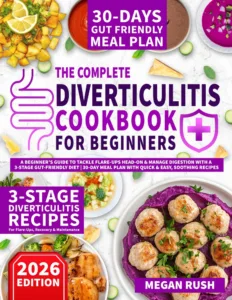
Check out the author’s book here: Diverticulitis Cookbook.

Leave a Reply