

Waking up with the fear of another diverticulitis flare can cast a shadow over your whole morning. After a painful episode, you want a reliable way to protect your gut without eating bland food forever. Once your colon has healed, a steady high fiber breakfast for diverticulitis prevention is one of the most practical habits you can build.
The switch can feel scary, because a flare taught you to fear fiber. Moving too fast can bring gas, bloating and cramps, which only adds to the worry. The good news is that a gentle, gradual plan lets your gut adjust, and the bowls on your table can still taste wonderful.
Key Takeaways
- Timing matters: Fiber helps once you have healed, while an active flare usually calls for low-fiber foods.
- Go slowly: Adding fiber a little at a time keeps gas and bloating under control.
- Mix both types: Soluble fiber forms a soft gel, while insoluble fiber adds bulk and keeps things moving.
- Drink with it: Fiber needs water to work, so pair every high-fiber breakfast with plenty of fluids.
- Seeds are welcome: Current guidance no longer bans seeds and berries for most people with diverticulosis.
Why Morning Fiber Protects Your Colon
Diverticulosis means small pouches, called diverticula, have formed at weak spots in the wall of your large intestine. When one of those pouches becomes inflamed or infected, the result is diverticulitis. The NIDDK overview of diverticular disease explains how the two conditions differ and why diet matters after recovery.
How a High Fiber Breakfast for Diverticulitis Helps
Without enough fiber, stool can turn dry and hard, and you strain to pass it. That straining raises pressure inside the colon, which pushes against the weak spots in its wall. In contrast, fiber holds water and creates soft, bulky stool that moves along with far less effort.
Breakfast gives fiber a head start, because eating in the morning triggers the gastrocolic reflex. This natural wave of contractions prompts your colon to move waste from the day before. Therefore, a fiber-rich first meal works with your body’s own rhythm instead of against it.
According to research, people who eat more fiber from cereals and fruit tend to have fewer episodes of diverticulitis. Your doctor or dietitian will set the daily fiber target that fits you, and breakfast is an easy place to cover part of it.
Soluble and Insoluble Fiber at Breakfast
Both types of fiber help, although they do different jobs in your gut. A good morning bowl usually includes a little of each.
Soluble Fiber in a High Fiber Breakfast for Diverticulitis
Soluble fiber dissolves in water and forms a smooth gel as it moves through your gut. That gel softens stool and feels gentle on a bowel that has recently healed. Good sources include oats, barley, avocado, bananas and soaked chia seeds, which makes them ideal first steps after recovery.
Insoluble Fiber: The Bulk
Insoluble fiber does not dissolve, so it passes through largely intact and adds bulk to your stool. As a result, waste moves at a healthy pace instead of sitting in your colon. Wheat bran, whole-wheat toast, leafy greens and fruit skins all supply it, although they suit later stages better.
For a deeper look at how the two types work together, our guide to soluble vs insoluble fiber covers the details. Meanwhile, our list of high fiber foods for diverticulosis prevention gives you ideas beyond breakfast.
Comparing Breakfast Ingredients
The table compares common breakfast staples by serving size, fiber content, main fiber type and general comfort. Use it to plan a high fiber breakfast for diverticulitis that starts gentle and grows richer as your gut adjusts.
| Breakfast Ingredient | Serving Size | Fiber Content (Grams) | Primary Fiber Type | Gastrointestinal Comfort Level |
|---|---|---|---|---|
| Steel-Cut Oats (Cooked) | 1 cup | 5.0 grams | High Soluble | Very high; soothing for healing tissues |
| Chia Seeds | 2 tablespoons | 10.0 grams | Mixed | High; soak in liquid before eating |
| Raspberries (Fresh) | 1/2 cup | 4.0 grams | Primarily Insoluble | High; a low-sugar fruit option |
| Ground Flaxseeds | 1 tablespoon | 3.0 grams | Mixed | High; promotes smooth bowel movements |
| Whole Wheat Toast | 1 slice | 3.0 grams | High Insoluble | Moderate; add gradually once healed |
| Avocado | 1/2 medium | 6.5 grams | High Soluble | High; also brings healthy fats |
Oats, soaked chia and ripe fruit make an easy starting point, while bran and whole-wheat toast can come later. Build slowly, and notice how each new ingredient sits with you.
Building a High Fiber Breakfast for Diverticulitis Step by Step
If you are still recovering from a flare, you cannot jump into a high-fiber routine overnight. Your gut needs time to rebuild tolerance, and your care team will guide the pace.
Step 1: Finish Your Recovery
During a flare, doctors often recommend clear liquids and then soft, low-fiber foods while the colon rests. Our guide on diverticulitis diet plan walks you through that gentle stage. For comforting meals in the meantime, try our low-fiber recipes for diverticulitis.
Step 2: Bring Back Soluble Fiber
When your doctor clears you, start with small portions of soft, soluble fiber in the morning. A thin bowl of well-cooked oatmeal with mashed banana is a classic first step. For now, skip tough skins and coarse whole grains until you know how your gut responds.
Step 3: Settle Into a Long-Term Pattern
Once you have felt well for a while, you can build fuller bowls with berries, seeds and whole grains. The Mayo Clinic guide to the diverticulitis diet describes this gradual return to high-fiber eating. For a full week of meals, our diverticulitis diet plan helps you keep the momentum.
Three High-Fiber Breakfast Recipes
These three recipes deliver real flavor with a mix of soluble and insoluble fiber. Each one makes a satisfying high fiber breakfast for diverticulitis prevention once your doctor clears you for fiber.
Recipe 1: Warm Berry Cinnamon Oats
This cozy bowl pairs steel-cut oats with fresh raspberries for a creamy, fruity start.
- Yield: 1 serving
- Prep Time: 5 minutes
- Cook Time: 15 minutes
- Total Fiber: Approximately 9 grams
Ingredients:
- 1/2 cup dry steel-cut oats
- 1 cup filtered water
- 1/2 cup unsweetened almond milk or skim milk
- 1/2 cup fresh raspberries or blueberries
- 1 tablespoon ground flaxseeds
- 1/2 teaspoon ground cinnamon
- 1 teaspoon pure maple syrup or raw honey (optional)
Instructions:
- Simmer the oats: Bring the water and almond milk to a gentle boil in a small saucepan. Stir in the oats and lower the heat.
- Cook low and slow: Cover and simmer for 15 minutes, stirring now and then, until the oats turn thick and creamy.
- Stir in the flax: Remove the pan from the heat and stir in the flaxseeds and cinnamon. Let the oats rest for 2 minutes so the flax thickens them.
- Top and serve: Spoon the oats into a bowl. Add the berries and a light drizzle of maple syrup or honey, if you like.
Recipe 2: Creamy Avocado and Spinach Smoothie
This green smoothie suits busy mornings and blends into a silky, mild drink.
- Yield: 1 serving
- Prep Time: 5 minutes
- Cook Time: 0 minutes
- Total Fiber: Approximately 10.5 grams
You Will Need:
- 1/2 medium ripe avocado, peeled and pitted
- 1 cup fresh baby spinach leaves
- 1 cup cold filtered water or coconut water
- 1 scoop unflavored protein powder
- 1 tablespoon chia seeds, soaked in 3 tablespoons of water for 5 minutes
- 1/2 medium frozen banana
Instructions:
- Soak the seeds: Mix the chia seeds with 3 tablespoons of water. Let them sit for 5 minutes until they form a thick gel.
- Fill the blender: Add the avocado, spinach, cold water, protein powder, frozen banana and soaked chia seeds.
- Blend until silky: Blend on high for 60 seconds until the smoothie has no leafy flecks. Add a few ice cubes for a colder drink.
- Sip slowly: Pour it into a glass and sip over 15 to 20 minutes, so you swallow less air.
Recipe 3: Chia Seed Berry Pudding
This make-ahead pudding sets overnight into a thick, custardy treat.
- Yield: 2 servings
- Prep Time: 5 minutes, plus overnight chilling
- Cook Time: 0 minutes
- Total Fiber: Approximately 11 grams per serving
Ingredients:
- 1/4 cup whole chia seeds
- 1 cup unsweetened coconut milk or almond milk
- 1/2 teaspoon pure vanilla extract
- 1/2 cup fresh blackberries or strawberries
- 1 tablespoon unsweetened shredded coconut (optional)
Instructions:
- Whisk the base: Combine the chia seeds, milk and vanilla in a bowl or jar. Whisk for 2 minutes so the seeds do not clump.
- Chill and set: Cover and refrigerate for at least 4 hours, or ideally overnight, until the pudding thickens.
- Mash the berries: Before serving, gently mash the berries with a fork in a small bowl.
- Layer and enjoy: Spoon half the pudding into a glass, add the berries and top with the rest. Sprinkle with coconut, if you like.
What to Limit in the Morning
Adding fiber is only half the job, because some breakfast habits work against your gut. Watch for these common pitfalls.
Refined Pastries and Sugary Cereals
Donuts, muffins, white toast and sugary cereals contain very little fiber. They fill you up briefly but do nothing to soften stool or support regular transit. Therefore, save them for rare treats and let fiber-rich bowls carry your mornings.
Seeds, Nuts and Old Myths
For years, doctors warned people with diverticulosis to avoid seeds and nuts. However, research has not supported that advice, and our article on diverticulitis and nuts explains why. Still, if a specific food bothers you, trust your experience and talk to your doctor.
Frequently Asked Questions
Can I eat oatmeal during a diverticulitis flare? It depends on your stage of recovery. During a flare, doctors usually recommend clear liquids and then low-fiber foods. Add oatmeal back only when your doctor clears you for gentle fiber.
Are chia seeds and berry seeds safe with diverticulosis? For most people, yes. Current guidance no longer bans seeds, and soaked chia or flax adds helpful fiber. If a certain food seems to trigger symptoms, discuss it with your doctor.
How much water should I drink with a high-fiber breakfast? Drink a full glass with your meal and keep sipping through the day. Your doctor can suggest a daily fluid goal, especially if you have kidney or heart concerns.
What if a high-fiber breakfast gives me gas and bloating? It usually means fiber went up too fast for your gut. Step back to a lighter bowl for a few days, and then build up more slowly. If discomfort continues, ask your care team to review your plan.
Start Each Morning on Your Side
A flare can leave you nervous about food, yet breakfast can become the calmest meal of your day. A high fiber breakfast for diverticulitis works best when you build slowly, drink plenty of water and choose bowls you enjoy. For more long-term habits, our guides on living with diverticular disease and diverticulosis and constipation keep you moving forward.
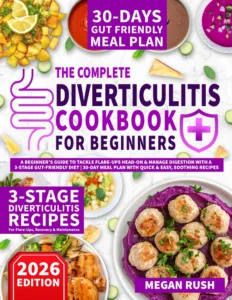
Check out the author’s book here: Diverticulitis Cookbook.

Leave a Reply