

A restaurant menu can feel like a minefield after a diverticulitis diagnosis, especially when friends are waiting to order. Many people start turning down dinner invitations because they fear another painful flare in the middle of the night. However, eating out with diverticulitis does not have to mean plain toast at home while everyone else celebrates. With a little planning and a few smart questions, you can enjoy social meals and still protect your colon.
Your best choices depend on your stage of recovery, because a healing colon needs different food from one in remission. This guide explains how to read menus, spot hidden triggers and order with confidence at almost any kind of restaurant. As always, your doctor or dietitian has the final word on what suits your own body and your own history.
Key Takeaways
- Match your stage: Order soft, low-fiber dishes after a flare and fiber-rich meals once your doctor clears you.
- Scan for triggers: Watch for deep-fried coatings, heavy cream sauces, fiery spices and large amounts of raw onion.
- Ask for swaps: Most kitchens can steam vegetables, grill instead of fry and bring every sauce on the side.
- Drink still water: Water helps fiber do its job, while fizzy drinks and heavy alcohol can add gas and pressure.
- Slow down: Small portions, careful chewing and a relaxed pace ease the load on your whole digestive tract.
Why Restaurant Meals Feel Risky for a Sensitive Colon
Diverticulosis means small pouches have formed in the wall of your large intestine, a common change as people age. According to the NIDDK overview of diverticular disease, many people with these pouches never develop any symptoms at all. When the pouches turn inflamed or infected, however, doctors call the condition diverticulitis, and pain or fever often follows. The Mayo Clinic page on diverticulitis lists pain in the lower left abdomen, nausea and fever among the common signs.
Restaurant food adds uncertainty, because you cannot see how much butter, spice or oil goes into each dish. Portions also run larger than home servings, and a heavy meal can leave a sensitive gut bloated and cramped. For this reason, it helps to learn which foods tend to cause trouble before you even open the menu. Our guide to What Causes Diverticulitis Flare-Ups covers the most common triggers and the habits that help prevent them.
Match Your Order to Your Recovery Stage
The golden rule is simple: your plate should match where your colon is today, not where you hope it will be. Rushing back to raw salads and whole grains too soon can irritate tissue that is still healing from inflammation. On the other hand, staying on bland, low-fiber food for months can leave you constipated and raise pressure inside the colon. Your care team will tell you when to move from one stage to the next.
Eating Out With Diverticulitis After a Recent Flare
After a flare, doctors often start with a short period of clear liquids, as our guide to the Clear Liquid Diet for Diverticulitis explains. After that, most people move on to soft, low-fiber foods that leave little residue behind in the bowel. At a restaurant, this means plain, tender dishes such as scrambled eggs, white rice, skinless chicken or flaky white fish. Instead of raw greens, whole grains or tough cuts of meat, ask for soft, peeled vegetables in small amounts.
Soups can be a gentle bridge back to solid food, as long as they stay clear and bean-free. A warm cup of broth also feels comforting, and our article on Bone Broth for Diverticulitis explains why so many people reach for it. Meanwhile, keep sauces mild and portions modest, since your gut is still regaining its strength after the flare.
On busy weeks, keep soft meals ready at home, so dining out stays a treat, not a test. Our Low-Fiber Recipes help on those days, while Diverticulitis Diet Plan lists more foods to discuss with your doctor.
Eating Out With Diverticulitis in Long-Term Remission
Once your symptoms have settled and your doctor clears you, the goal shifts from resting the bowel to preventing the next flare. Fiber becomes your ally at this stage, because it softens stool, adds bulk and helps waste move with less straining. In fact, the NIDDK notes that a high-fiber eating pattern may help lower the risk of diverticulitis coming back.
Good options include lentil soups, bean dishes, cooked vegetables, baked potatoes with the skin and grain bowls built on brown rice. However, add fiber gradually and pair it with plenty of water, since a sudden jump can cause gas and bloating. For a structured way to reach your daily goals, our Diverticulitis Diet Plan shows how to build balanced meals around fiber.
What about the nuts and seeds scattered over a salad or a dessert plate at your favorite bistro? For years, doctors told patients to avoid them, but research has not shown that these foods cause flares in most people. Our guide to Diverticulitis and Nuts walks through the evidence, so you can decide with your doctor whether they fit your plate.
Navigating Different Cuisines Safely
Eating out with diverticulitis gets much easier once you know a few patterns that repeat across different cuisines. Every menu has its safe corners and its hidden traps, and the tips below work best as questions for your server.
Italian Restaurants
Italian menus offer plenty of gentle choices, although many sauces lean heavily on raw garlic, onions and rich cream. During recovery, choose grilled chicken or white fish with plain pasta and a light drizzle of olive oil. Ask for zucchini or carrots cooked until soft instead of a crisp side salad or roasted peppers with skins. In remission, a vegetable minestrone with beans makes a filling, fiber-rich starter, as long as you tolerate beans well.
If tomato sauce or chili flakes have bothered you before, ask the kitchen to go light on them or skip them entirely. Our guide to What Causes Diverticulitis Flare-Ups: Common Triggers and Prevention Tips can help you spot other ingredients that tend to cause trouble for your own gut.
Mexican Restaurants
Mexican food can be a great fit in remission, thanks to black beans, pinto beans, avocado and warm corn tortillas. Avocado also brings healthy fats, while beans supply both soluble and insoluble fiber in a single generous scoop. During recovery, however, skip spicy salsas, refried beans and deep-fried dishes such as chimichangas or loaded nachos. Instead, a soft flour tortilla with plain grilled chicken and a little white rice keeps the meal gentle and satisfying.
Japanese and Other Asian Restaurants
Japanese restaurants are often among the easiest places to eat, thanks to steamed rice, soft tofu, clear broths and simple fish. For a gentle meal, try miso soup, steamed white rice and a piece of grilled salmon or silken tofu. In contrast, dishes loaded with chili oil, deep-fried tempura or crunchy raw vegetables can be harder on a sensitive gut. Thai, Chinese and Indian menus follow the same logic, so ask for mild versions and steamed rather than fried dishes.
A Quick Guide to Reading the Menu
The table below sums up common menu choices, so you can glance at it on your phone before you order. Remember that the right column depends on your stage, and your own tolerance matters more than any general list.
| Menu section | Gentler choices after a flare | Fiber-rich choices in remission | Often worth limiting |
|---|---|---|---|
| Proteins | Scrambled eggs, skinless chicken, white fish, soft tofu | Lentils, black beans, grilled salmon | Fried chicken, fatty steak, sausage |
| Grains | White rice, plain pasta, white bread | Brown rice, quinoa, oats, whole-wheat bread | Heavily buttered or fried breads |
| Vegetables | Peeled carrots, soft zucchini, mashed squash | Cooked greens, roasted vegetables, salads | Large portions of raw onion, fried sides |
| Soups | Clear broth, strained chicken soup | Minestrone, lentil or bean soup | Heavy cream soups |
| Drinks | Still water, herbal tea | Still water, herbal tea | Soda, sparkling water, heavy alcohol |
What to Drink at the Table
Your drink matters almost as much as your plate, especially on days when you eat more fiber than usual. Fiber pulls water into the stool, so a fiber-rich meal without enough fluid can leave you constipated and uncomfortable. For this reason, ask for a large glass of still water as soon as you sit down and sip it through the meal. Sparkling water and soda, on the other hand, add swallowed gas, which MedlinePlus lists among the common causes of bloating and discomfort.
Alcohol can also irritate the gut and dehydrate you, so keep drinks modest and ask your doctor about limits. After dinner, you might want an espresso, but caffeine speeds up the gut and bothers some people more than others. Our article Can You Drink Coffee with Diverticulitis looks at how to test your own response safely. As a gentler alternative, a cup of peppermint or chamomile tea can round off the meal without the jolt.
Five Steps for Stress-Free Ordering
First, look up the menu online before you leave home, so you can choose calmly instead of deciding under pressure. Second, tell your server you have a sensitive stomach and need a simple preparation, since nobody needs your full medical history. Third, ask for sauces, gravies and dressings on the side, because they often hide a lot of fat, sugar and spice.
Fourth, watch your portion, since restaurant plates often hold enough food for two meals and overeating adds pressure. Consider asking for a box at the start and setting half aside to enjoy at lunch the next day. Finally, eat slowly, put your fork down between bites and chew each mouthful well before you swallow it.
Planning ahead at home makes all of this easier, because a steady routine keeps your gut calm between restaurant meals. Our guide to Diverticulitis Meal Prep shows how to cook gentle, balanced dishes in batches for the week ahead.
What to Do If a Meal Disagrees With You
Even with careful choices, a meal may occasionally leave you bloated or crampy, and mild discomfort usually passes on its own. In that case, rest, sip water and choose light, simple food for your next meal instead of another heavy dish. However, severe or constant belly pain, fever, vomiting or blood in your stool calls for prompt medical care. Do not wait it out at home, and contact your doctor or an urgent care clinic as soon as possible.
Frequently Asked Questions
Can I order a salad at a restaurant? Yes, once you are in remission and tolerate raw vegetables well. Right after a flare, raw greens can be tough on a healing colon, so choose soft cooked vegetables instead. In remission, however, a leafy salad with olive oil is a simple way to add fiber to your meal.
Is Mexican food safe with diverticular disease? It can be, especially in remission, when beans and avocado add fiber. During recovery, however, stick to plain chicken, white rice and a soft flour tortilla without spicy salsa.
Are seeds in restaurant dishes dangerous? Research has not linked seeds, nuts or popcorn to flares in most people. If you are still healing from a flare, though, ask your doctor when to bring them back into your meals.
What if my stomach hurts after dinner out? Mild cramps often ease with rest, water and a lighter next meal. Seek medical care quickly for severe pain, fever or vomiting, since these can signal an active flare that needs treatment.
How can I explain my diet to friends? Saying your stomach is sensitive right now is usually enough. Real friends simply want you at the table, and choosing a restaurant with gentle options together takes the pressure off everyone.
Enjoying Restaurant Meals Again
Eating out with diverticulitis takes a little planning, but it does not have to take the joy out of sharing a meal. Match your order to your stage, drink plenty of still water and ask for simple swaps without apology. Above all, listen to your body and keep your doctor informed, so each good outing builds your confidence.
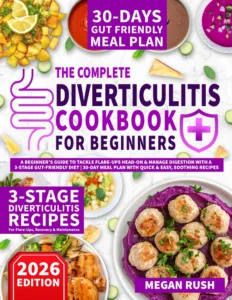
Check out the author’s book here: Diverticulitis Cookbook.

Leave a Reply