
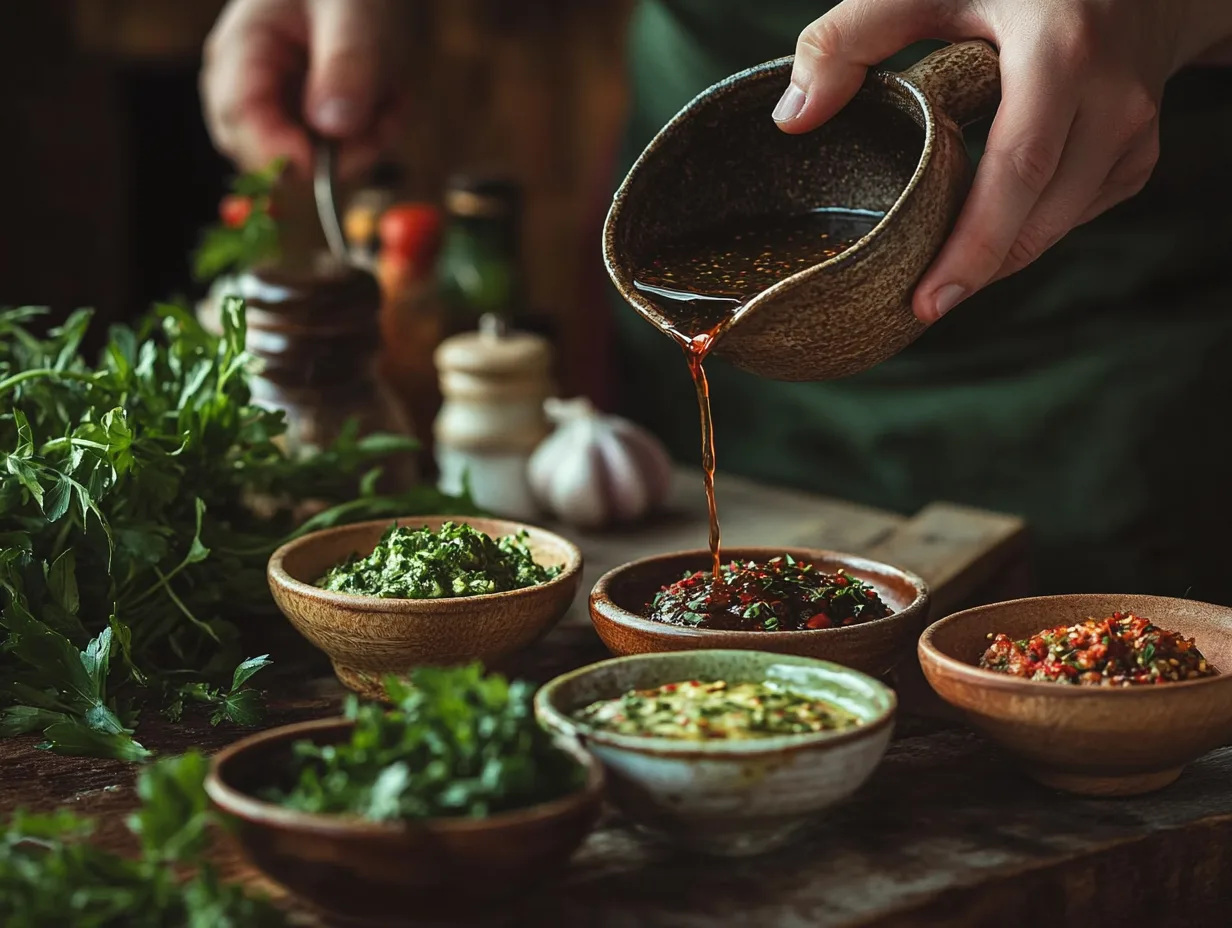
Four ounces of plain grilled chicken is the meal that makes people quit. It is dry, it is dull, and by Wednesday you would rather skip dinner than face it again. Bariatric sauces fix that problem for about thirty calories a spoonful, which is the cheapest flavor available to a small stomach.
Bariatric sauces do considerably more than season a plate of lean protein. They add back the moisture that lean protein loses on the grill, and moisture is what lets a post-op stomach accept a portion comfortably. This guide covers the five sauces worth keeping in the freezer, the sugar traps hiding in the condiment aisle, and how to portion them so a good habit stays good.
Key Takeaways
- A spoonful of sauce rescues lean protein, because moisture matters as much as seasoning after surgery.
- Commercial condiments hide sugar and syrup, therefore labels deserve a genuine reading rather than a glance.
- Greek yogurt, cottage cheese and silken tofu turn a sauce into a small protein contribution.
- Ice cube trays solve portion control, since one cube is roughly one tablespoon.
- Rotate three flavor families across the week, and menu fatigue never gets a foothold.
- Introduce any new sauce in a small amount first, then judge how your stomach responds.
Why Bariatric Sauces Belong in Your Meal Prep
Post-op eating runs on lean protein and small portions, and both of those things dry out quickly. Chicken breast, turkey, white fish and tofu all cook fast and lose moisture faster. The plate clearly needs some help by the time it reaches the table. A tablespoon of something tangy changes the texture of the bite, and the texture is what decides whether you finish the portion.
Variety does the other half of the work, and it matters just as much. Eating the same four meals for a month leads to boredom, and boredom leads straight to the food you were avoiding. Our guide to bariatric menu rotations explains how rotation protects your progress, and sauces are the cheapest way to rotate anything.
What Goes Wrong Without Bariatric Sauces
The condiment aisle was not built for you, and most bottles prove it within two lines of the label. Barbecue sauce can run a third sugar by volume, while teriyaki, sweet chilli and honey mustard all sit in the same territory. Those sugars arrive fast in a surgically altered gut. They can therefore trigger dumping symptoms in people who are prone to them. The Cleveland Clinic describes how concentrated sugars move too quickly into the small intestine.
Cream-heavy sauces cause a different problem of their own. Fat sits heavily in a small pouch and can feel uncomfortable for hours. Sodium is the quiet third issue, and the American Heart Association notes how much of it comes from packaged foods rather than the salt shaker.
The Rules Behind Good Bariatric Sauces
Four habits separate bariatric sauces that help from the ones that quietly undo the week.
- Read the sugar line first. Anything above five grams per tablespoon belongs back on the shelf, whatever the front of the bottle claims.
- Measure, always. A tablespoon becomes three without a spoon in your hand, and nobody notices it happening.
- Bulk with vegetables. Pureed peppers, tomatoes or squash stretch a sauce and lower its calorie concentration at the same time.
- Thin with broth. Low-sodium stock loosens a thick sauce, so it coats more food without adding anything meaningful.
Sweeteners deserve a short note of their own before you start experimenting. A small drizzle of honey or a spoon of fruit puree works better than refined sugar, although the amount still counts. Ask your dietitian which sugar substitutes suit you, since tolerance varies a great deal from one patient to another.
Bariatric Sauces That Add Protein
Most people fall short on protein somewhere around the middle of the afternoon. A sauce will never carry the day, yet three or four grams per serving add up across a week of meals.
Greek yogurt is the workhorse of this whole category. Whisk it with lemon, garlic and dill, and you have tzatziki that suits chicken, salmon or a turkey patty. Cottage cheese blends into something surprisingly smooth, especially with roasted red peppers or a handful of spinach. Silken tofu gives a neutral, dairy-free base that takes on whatever herbs you add to it.
Pureed white beans or lentils thicken a sauce and bring fiber along with the protein. Our collection of high-protein vegetarian bariatric recipes puts several of those bases to work in full meals.
Five Bariatric Sauces Worth Making Twice
1. Cucumber Tzatziki
Grate half a cucumber, squeeze the water out firmly, and fold it into a cup of low-fat Greek yogurt. Add a crushed garlic clove, chopped dill and a squeeze of lemon, then let it sit for ten minutes. It keeps for four days and suits chicken breast, turkey patties and salmon equally well.
2. Roasted Red Pepper Puree
Blend two roasted red peppers with a teaspoon of olive oil, a little garlic and a pinch of smoked paprika. The result is bright orange, sweet without sugar, and generous with vitamins A and C. Spoon it over grilled chicken, shrimp or roasted vegetables, and expect about fifteen minutes of work.
3. Low-Sugar Teriyaki Glaze
Simmer low-sodium soy sauce with grated ginger, garlic and a teaspoon of honey, then thicken it with a little cornstarch slurry. You get the sweet-savory note without the syrup that commercial bottles rely on. It glazes lean pork, air-fried salmon and stir-fried vegetables in about ten minutes.
4. Herbed Tomato-Basil Sauce
Soften chopped onion and garlic, add crushed tomatoes with no added sugar, and let it cook down for twenty minutes. Finish with basil and oregano, and taste before you reach for salt. It carries turkey meatballs, zucchini noodles and spaghetti squash through the whole week.
5. Avocado-Lime Dressing
Blend half an avocado with lime juice, two spoons of Greek yogurt, cilantro and a pinch of salt. Five minutes of work produce a creamy dressing built on monounsaturated fat rather than cream. Use it on fish, salad or roasted vegetables, and keep the portion to a tablespoon.
| Sauce | Flavor family | Best on |
|---|---|---|
| Cucumber tzatziki | Fresh and tangy | Chicken, turkey, salmon |
| Roasted red pepper | Sweet and smoky | Shrimp, tofu, vegetables |
| Low-sugar teriyaki | Sweet-savory | Pork, salmon, stir-fries |
| Tomato-basil | Herby and classic | Meatballs, squash noodles |
| Avocado-lime | Creamy and bright | Fish, salads, roasted veg |
Matching Bariatric Sauces to the Protein
Lean red meat and poultry want acidity, so mustard, lemon and vinegar-based dressings do the most work there. Whisk Greek yogurt with Dijon and herbs for a marinade that doubles as a dip after cooking. A light barbecue glaze made from tomato paste, cider vinegar and a touch of sweetener beats any bottle on the shelf.
Fish and plant proteins prefer something sharper and fresher. Citrus salsa with diced orange, red onion, jalapeño and cilantro lifts a white fillet without a drop of oil. A thin coconut-curry drizzle suits shrimp or lentils, although a tablespoon is genuinely enough. Our high-protein bariatric soup recipes use several of the same flavor bases in a format that goes down easily.
Texture matters more than flavor in the early weeks after surgery. During the puree phase, a smooth sauce helps far more than a chunky one, and our bariatric pureed food stage recipes show what consistency to aim for.
Batch Cooking Your Bariatric Sauces
Make your bariatric sauces once a week rather than once a meal, since the effort barely changes with volume.
Freeze in ice cube trays, since one cube lands close to a tablespoon and thaws in minutes. Pop the frozen cubes into a labelled bag with the date, and you have portions ready for two months. Keep the sauces you use most in single-serve containers in the fridge, and the week gets considerably quieter.
This fits neatly beside the rest of your prep, and our guide to bariatric freezer meals covers the containers and labelling that make a freezer usable. On a rushed evening a frozen cube turns plain protein into dinner, which is exactly what our 30 minute bariatric meals rely on.
Plan three flavor families across the week. Tomato-based sauces early, yogurt-based midweek and herb or citrus at the weekend keeps every plate feeling different. Seasonal herbs cost less and taste better, while frozen peppers and canned tomatoes hold their nutrition and your budget.
Cooking for the Whole Table
Serving sauce on the side solves the family problem in one move. Everyone spoons what they want, you measure what you need, and nobody cooks two dinners. Extra cheese, chilli or salt goes on their plate rather than into the pan.
Taste adapts faster than people expect. After a few months of lighter sauces, the commercial versions taste startlingly sweet, and the rest of the household often drifts in the same direction. Global flavors help here too, and our bariatric international recipes show how far a spice cupboard can stretch a small portion.
Frequently Asked Questions
Can sauce trigger dumping syndrome?
A high-sugar sauce certainly can. Gastric bypass patients who are already sensitive to sugar run the greatest risk. Check the label for grams of sugar per tablespoon rather than trusting a health claim on the front. Introduce anything new in a small amount, then wait to see how you feel before serving it again.
How much sauce is a sensible portion?
One to two tablespoons covers a bariatric portion of protein comfortably in most cases. Measure it for the first couple of weeks until your eye learns the amount. A frozen cube does the measuring for you, which is why the ice cube tray earns its place.
Are store-bought sauces ever acceptable?
Yes, provided you read the label and check both sugar and sodium against the serving size. Mustard, hot sauce, salsa and unsweetened tomato passata usually pass without difficulty. Barbecue, teriyaki and sweet chilli rarely do, so homemade versions serve you better.
Do sauces count toward my daily macros?
They do, and people underestimate that more than any other part of the plate. Log the tablespoon the way you log the chicken, particularly with oil-based or yogurt-based sauces. The same discipline applies to snacks, and our list of high-protein bariatric snacks keeps those portions honest too.
Start With One Sauce This Week
Pick the tzatziki, since it takes about ten minutes and rescues even the driest chicken breast you own. Make a batch on Sunday, freeze half of it in cubes, and see how the week feels by Thursday. One good sauce changes more meals than an entire new recipe collection.
Flavor is not a reward you earn after the weight comes off. It is the thing that keeps you eating the food you planned to eat, week after week, for years.
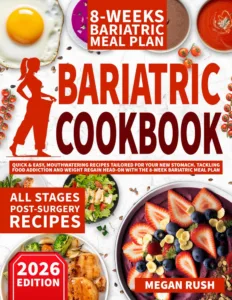
Check out the author’s book here: Bariatric Cookbook.

Leave a Reply