

The infection clears, the pain fades, and everyone tells you the hard part is over. Then the bloating starts, your energy never quite returns, and food you used to eat without thinking now sits badly. That second stretch is about gut flora, and choosing the right probiotics for diverticulitis recovery is a big part of it: rebuilding the bacterial population that the antibiotics wiped out along with the infection.
Antibiotics work without aiming, and that bluntness is the whole problem here. They clear the bacteria behind a diverticulitis attack, and they clear a great many useful residents at the same time. The imbalance that follows, which researchers call dysbiosis, leaves digestion slow and the colon lining poorly defended. This guide covers the strains that matter, the foods that carry them, the fiber that feeds them, and how long the whole thing honestly takes.
Key Takeaways
- Antibiotics thin out your beneficial bacteria, so recovery continues well after the pain stops.
- Among probiotics for diverticulitis, Lactobacillus casei, L. acidophilus and Bifidobacterium are the strains studied most.
- Fermented foods deliver more variety than capsules, although fiber content decides when you can eat them.
- Probiotics need prebiotic fiber as fuel, and gentle sources come first while the colon is tender.
- Your doctor decides on supplements, timing and amounts, especially while you are still on antibiotics.
What Antibiotics Leave Behind
Your colon hosts a dense community of bacteria that ferment fiber, produce vitamins and crowd out troublemakers. Antibiotics kill the pathogens driving an attack, and unfortunately they cannot tell friend from foe. Studies suggest that one course can alter the makeup of the microbiome for up to a year.
That thinning has consequences you feel. The gut lining turns more permeable, digestion slows, and inflammation finds an easier path back. Therefore serious gut flora restoration starts as soon as your doctor gives the all-clear, because a strong microbial population is your best insurance against the next episode. The overview of diverticular disease from the National Institute of Diabetes and Digestive and Kidney Diseases puts diet at the center of long-term control.
The Best Probiotics for Diverticulitis: Strains That Matter
Not all probiotics for diverticulitis are equal, because strains behave differently, so a bottle promising generic “digestive health” tells you almost nothing. Read the back label instead, where the specific strain names appear in small print under the count. Three groups come up again and again in research on diverticular disease.
Lactobacillus casei
This strain does the most relevant work for anyone recovering from a flare, and it is the one worth looking for first. Research indicates that L. casei helps reduce symptom recurrence in uncomplicated diverticular disease. It sticks to the intestinal wall and builds a physical barrier that hostile bacteria struggle to cross. Meanwhile it nudges the immune response toward less inflammation in the pouches themselves.
Lactobacillus acidophilus
The most famous probiotic on any pharmacy shelf earns its reputation honestly rather than through marketing. L. acidophilus helps you digest lactose and break down nutrients from the food you eat. More usefully, it produces lactic acid, and that acidity creates an environment where pathogens such as E. coli do poorly.
Bifidobacterium infantis and animalis
These bacteria live mainly in the colon, which is exactly where diverticulitis happens. They break down carbohydrates and produce short-chain fatty acids, butyrate above all. Butyrate then fuels the cells lining your colon, and those cells use it to repair and regenerate the wall.
Fermented Foods: Probiotics for Diverticulitis From the Kitchen
Capsules deliver a high count of colony-forming units, whereas fermented foods bring a wider variety of organisms and a meal alongside them. The catch is fiber, because several of these foods carry more roughage than a tender colon wants. Order matters far more than enthusiasm here, because the same jar helps in one month and hurts in another.
Kefir and Yogurt
Fermented dairy suits the early weeks well, since it is low in fiber and easy to digest. Kefir carries both bacteria and yeasts, and that mix settles into the gut more readily than yogurt cultures do. Choose plain and unsweetened, because added sugar feeds precisely the organisms you are trying to outnumber.
Sauerkraut, Kimchi and the Brine Trick
Fermented cabbage is rich in Lactobacillus plantarum, though raw cabbage is also high in insoluble fiber. Straight after a flare, that roughage can irritate tissue that has not finished healing. A tablespoon of the brine alone carries the bacteria without the fiber, which is the gentlest way in. Once you heal, the cabbage itself goes back on the plate.
Miso and tempeh round out the list, and miso soup in particular earns its keep during recovery. A warm bowl supplies fluid, salt and live cultures while asking very little of your digestion. The roundup of gut-friendly foods covers fifteen of these with a recipe idea for each.
Prebiotics: Feeding What You Just Planted
Swallowing billions of bacteria accomplishes very little if the organisms starve within a day of arrival. Prebiotics are the fibers your own enzymes cannot break down, which is why they reach the colon intact and feed the residents there. Probiotics without prebiotics amounts to planting a garden and then never watering a single row of it.
Here lies the dilemma that anyone with diverticular disease runs into sooner or later. Many classic prebiotic foods, such as raw garlic, onions and asparagus, are high in fiber or in the fermentable carbohydrates that produce gas. Gentle sources therefore come first while your colon is still tender.
- Cooked bananas supply pectin, a soluble fiber that most people tolerate easily.
- Cooked oats carry beta-glucan, which feeds bacteria and softens stool at the same time.
- Acacia fiber dissolves into water without grit, and it rarely causes the bloating that harsher powders do.
MedlinePlus explains how dietary fiber travels through the digestive tract, and the same property that keeps you regular also keeps your microbes fed through the week.
Sturdier sources such as Jerusalem artichokes and dandelion greens come later, once you and your doctor agree you are ready. Add one food at a time and watch what happens, because a record beats a guess. The guide to diverticulitis flare-ups shows how to keep that log, and the diverticulitis stage 1 diet covers the stretch before any of this begins.
Probiotics for Diverticulitis: Supplements or Food?
Both routes deliver probiotics for diverticulitis recovery, and most people end up using each of them at a different point of their recovery. The table below lays out the trade-off between them in plain terms.
| Probiotic supplements | Fermented foods | |
|---|---|---|
| Bacterial count | High and printed on the label | Lower, and it varies from jar to jar |
| Variety of strains | Usually a handful, named precisely | Broader, including organisms nobody has catalogued |
| When they fit | Early recovery, when food choices are narrow | Once your colon handles solids comfortably |
| Fiber load | None, unless the formula adds inulin | Ranges from zero in kefir to high in raw kraut |
| Cost per month | Noticeable, and it continues indefinitely | Low, especially if you ferment at home |
| Who decides | Your doctor, since strain and amount are clinical | You, within whatever your care team has cleared |
Notice that the last row of that table applies to both columns in practice. Anything you swallow while on antibiotics belongs in a conversation with the person who prescribed them.
A Phased Approach to Probiotics for Diverticulitis
Rebuilding a microbiome is a slow project measured in seasons rather than a weekend fix. The shape below reflects how recovery usually unfolds, and your own doctor sets the timing and the amounts.
While you are on antibiotics. Some doctors suggest a beneficial yeast such as Saccharomyces boulardii, because antibiotics do not kill yeast. Spacing other probiotics several hours from each dose helps more of them survive the trip. Bone broth and soft, cooked white vegetables carry you through the days when nothing else appeals.
In the weeks after the flare. A multi-strain supplement often starts here, if your doctor agrees it fits your case. Fermented dairy comes back first, and soothing herbal drinks make the transition easier. The blends in tea for diverticulitis work well during this stretch, and natural diverticulitis relief covers the comfort measures alongside them.
From about a month onward. Soluble fiber climbs gradually, small amounts of fermented vegetables join the plate, and variety becomes the goal. Eating thirty different plant foods across a week, counting herbs and spices, encourages a more diverse population than any capsule manages alone.
Lifestyle Habits That Support Gut Flora Restoration
Food does most of the work, although three ordinary habits decide how much of it sticks.
- Manage stress. Cortisol shifts the composition of your gut bacteria and raises intestinal permeability, so yoga, breathing and meditation earn a physical payoff rather than just a mental one.
- Protect your sleep. Your bacteria run on their own circadian rhythm, and erratic nights disturb it. Seven to nine consistent hours supports the repair work.
- Question the medicine cabinet. Regular NSAIDs such as ibuprofen and long-term acid blockers both change the gut environment, so ask your doctor about alternatives.
Those three, plus steady eating, are the same foundations covered in living with diverticular disease. Restaurants need not derail any of it, and eating out with diverticulitis handles the menu side.
Frequently Asked Questions
How long does gut flora restoration take?
Some changes show up within the first few days of steady, patient eating. Restoring full diversity after antibiotics, however, can take six months to a year, so consistency matters more than intensity.
Can probiotics trigger a flare-up?
Probiotics themselves do not cause diverticulitis attacks in people who tolerate them well. Some formulas add prebiotics such as inulin, though, and that fiber produces gas and bloating that can feel alarmingly similar.
Should I take probiotics while on antibiotics?
Ask the doctor who prescribed the antibiotic, because spacing and choice of strain both matter. Evidence supports Saccharomyces boulardii against antibiotic-associated diarrhea in particular.
Is kombucha a good choice after a flare?
Kombucha carries live cultures, yet it is also carbonated, acidic and sweetened. A sensitive stomach often objects, so treat it as an occasional glass rather than a strategy.
Probiotics for Diverticulitis Take Months, Not Days
Gut flora restoration with the right probiotics for diverticulitis is the step most recovery plans skip, and it is the one that changes the following year. Repopulate with the strains your doctor approves, feed them gentle fiber, sleep properly, and let time do the rest of the work.
Fear of food makes the whole process harder and lonelier than it ever needs to be. The long view in living with diverticular disease shows how wide the plate eventually gets again. Feed the good residents patiently, and your gut will hand you back the variety you miss.
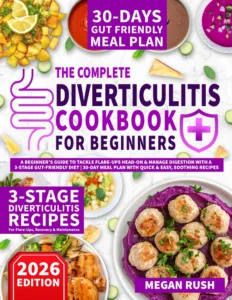
Check out the author’s book here: Diverticulitis Cookbook.

Leave a Reply